Preparing Your Home for a Renovation: A Dublin Homeowner's Checklist
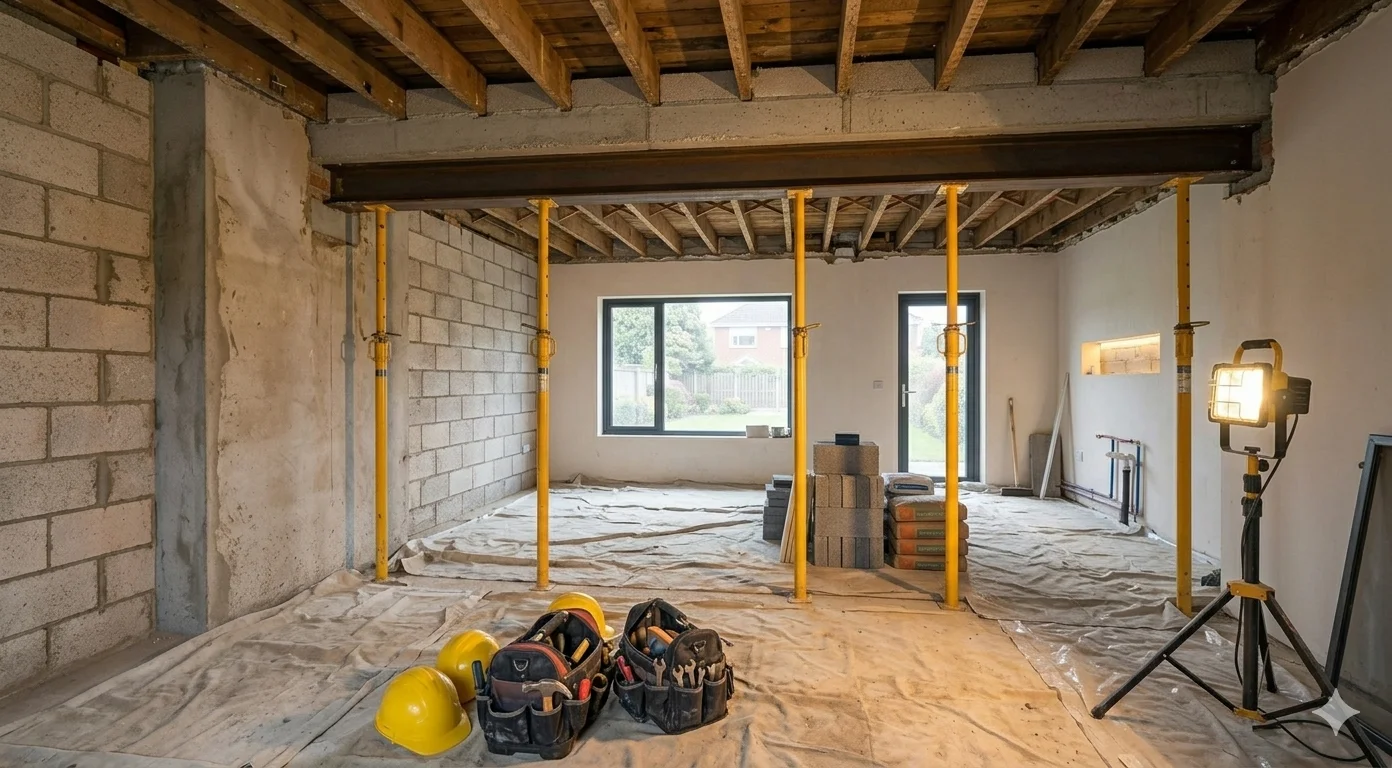
Planning a renovation is exciting, but the preparation phase is what separates a smooth project from a chaotic one. Whether you're undertaking a full house renovation in Dublin or a targeted kitchen refit, proper preparation protects your belongings, maintains safety, and keeps your builder and their team working efficiently. With 35+ years of renovation experience across Dublin, Ballinteer, and South Dublin, BR Building Services has learned that the best outcomes come from thorough planning before a single tool touches your home.
This comprehensive checklist covers everything Dublin homeowners need to know about preparing their homes for renovation work, from protecting your furniture to managing utilities and keeping your family safe throughout the project.
Why Proper Preparation Matters
A renovation project impacts every aspect of your daily life. Work is scheduled for specific weeks or months, workers need access to your home, and dust, noise, and disruption are inevitable. Without proper preparation, you'll face unexpected costs, damaged belongings, stressed family members, and frustrated contractors working in suboptimal conditions.
Proper preparation means:
- Protecting your belongings from dust and damage
- Ensuring workers can access the site efficiently
- Maintaining utility services during the project
- Keeping your family safe throughout the work
- Avoiding expensive last-minute changes
- Maintaining clear communication with your builder
The Dublin Homeowner's Renovation Preparation Checklist
| Preparation Area | Key Actions | Timeline |
|---|---|---|
| Furniture & Belongings | Clear renovation area, move furniture to safe rooms, cover items with plastic sheets, store valuables securely | 1-2 weeks before |
| Temporary Facilities | Arrange alternative kitchen/bathroom access if needed, plan for portable toilet facilities, set up temporary storage | 2-3 weeks before |
| Site Access & Materials | Arrange skip placement, plan scaffold location, clear pathways for worker access, plan material delivery schedule | 3-4 weeks before |
| Utilities & Services | Identify utility shutoff points, plan temporary water/power access, arrange temporary heating if needed, notify service providers | 2-3 weeks before |
| Dust & Surface Protection | Install dust sheets and barriers, seal doorways, cover furniture in adjacent rooms, plan ventilation strategy | Day before work starts |
| Neighbours & Community | Inform neighbours of project timeline, provide contact details, agree reasonable working hours, plan parking arrangements | 1-2 weeks before |
| Safety Arrangements | Plan child/pet care, create no-go zones, arrange alternative accommodation if major work, have first aid kit ready | Before work starts |
| Documentation & Communication | Establish communication plan with builder, get detailed schedule, agree decision-making process, take baseline photos | 1-2 weeks before |
| Financial Planning | Confirm contingency budget (10-15%), arrange payment schedule, understand change order process, review insurance | Before work starts |
Clearing and Protecting Your Belongings
The area where work is happening must be cleared of furniture, personal items, and valuables. This isn't just about convenience—dust, debris, and vibration from construction can damage or dirty items that remain.
Furniture Removal Strategy
For major renovations affecting multiple rooms, move furniture to unaffected areas of your home. For single-room projects (kitchen renovation, bathroom refit), hire a storage company to move items into secure storage. In Dublin, short-term storage typically costs €50-€150 per week depending on volume.
For items remaining in your home, invest in heavy-duty plastic sheeting and plastic furniture covers. Wrap couches, tables, and fitted items completely. Secure coverings with tape so dust can't penetrate underneath. Items that won't be covered should be moved entirely out of the work zone.
Protecting Valuables
Remove jewellery, passports, financial documents, and electronics from the renovation area. Workers need a clear space without distraction, and having valuables elsewhere gives you peace of mind. Keep important documents in a lockable drawer in a different room or arrange a safe deposit box.
Artwork and Decorative Items
Remove mirrors, artwork, and decorative wall-mounted items before work begins. Construction vibration can knock items off walls, and dust will settle on everything. Store these safely to avoid damage or loss.
Key Preparation Tip
Take photos of the renovation area before work starts. This creates a baseline for comparing before and after, helps with insurance claims if anything is damaged, and documents the property's condition. Keep these photos with your project paperwork.
Alternative Living Arrangements
For major renovations involving kitchens, bathrooms, or structural work, living in the home during construction can be challenging. Plan your living arrangements carefully.
Minor Work (Bathroom Refit, Single Room)
Typically completed in 3-6 weeks. You can often stay at home with one bathroom or kitchen out of action temporarily. Use portable toilet facilities if needed. Arrange a temporary shower area using a portable shower enclosure or negotiate access to a guest bathroom elsewhere.
Major Work (Full Kitchen, Two-Storey Extension, Structural Renovation)
Projects lasting 12+ weeks may require alternative living arrangements. In Dublin, options include:
- Extended family or friends' homes: Often free but requires careful planning
- Holiday rental: €1,200-€2,500 per month in Dublin, offers flexibility
- Temporary accommodation services: Specialist companies provide furnished apartments (€1,500-€3,500/month)
- Staggered work schedules: Some builders can split work into phases, allowing you to maintain partial home use
Factor accommodation costs into your project budget. They're often tax-deductible if the renovation adds value to your home.
Site Access and Material Delivery Planning
Construction sites need clear access for workers, equipment, and material deliveries. Poor planning here costs time and money.
Skip Placement
Agree skip location with your builder and council (if required). In semi-detached Dublin homes, this might mean positioning the skip on-street or in your driveway. Ensure access to water for rinsing materials and equipment. Confirm skip rental costs (typically €200-€400 per week) and who arranges removal.
Scaffold Requirements
For two-storey extensions or roof work, scaffold is essential. This needs space in your garden and may require neighbour access. Discuss placement and duration with your builder before work starts. Scaffold rental typically costs €1,500-€3,000 for a standard project duration.
Access Pathways
Ensure a clear, safe path from the street to the work area. Remove parked cars, garden furniture, and obstacles. Narrow gates, tight corners, or overgrown boundaries slow work and increase costs. In Ballinteer and South Dublin, many semi-detached homes have limited side access—confirm this is adequate for your project.
Material Delivery Scheduling
Work with your builder to coordinate delivery schedules. Bricks, blocks, timber, and fixtures should arrive when needed, not blocking access or sitting unprotected in your garden for weeks. Agree delivery windows and ensure someone is present to direct deliveries.
Utility Considerations and Temporary Power/Water
Most renovation work requires temporary water and power access. Plan these arrangements carefully to avoid disruption and safety issues.
Water Shutoff Points
Locate your main water shutoff valve. If bathroom or kitchen work is happening, your builder may need to temporarily isolate supplies. Modern Dublin homes typically have easy-access stopcocks; older properties may have difficult-to-reach ones. Confirm location and accessibility before work starts.
Temporary Water Access
For dusty trades (brickwork, plastering), temporary water points are essential. Your builder will likely run a hose from your external tap or arrange a temporary water connection. Ensure adequate water pressure and confirm responsibility for water costs.
Power Supply
Construction teams need power for tools, lighting, and temporary equipment. Agree whether they'll use your internal electrical supply, run temporary power from outside, or arrange a generator. Large projects may require a temporary electrical installation by a qualified electrician (cost: €500-€1,500).
Gas Services
If gas appliances (heating, cookers) are affected, contact your gas supplier. Work may require temporary shutoffs. Don't attempt this yourself—qualified professionals must handle it to ensure safety.
Internet and Telecommunications
If overhead lines or underground pipes cross the work area, notify your providers. Telephone and broadband cables may need temporary protection or rerouting.
Dust Containment Strategies
Dust is the invisible enemy of any renovation. Proper containment protects adjacent areas and keeps the project clean and professional.
Dust Barriers and Plastic Sheeting
Install temporary partition walls using plastic sheeting and timber frames. Seal doorways completely with overlapping plastic and tape. Create negative pressure in the work area (fan removing dust from the space) to prevent dust spreading to other rooms.
Flooring Protection
Dust sheets, cardboard, and temporary plywood protect floors in the work area and pathways. Replace these regularly (weekly or as needed) to maintain effectiveness. Heavy foot traffic wears protection quickly, so plan replacement costs.
Ventilation Management
Opening windows in the work area aids ventilation but allows dust to escape. Discuss with your builder—good ventilation is important for health and comfort, but must be balanced with dust containment. Some trades (plastering) produce significant dust that requires external extraction fans.
Sealed HVAC Systems
If you have a central heating/cooling system, discuss whether air returns need temporary sealing to prevent dust recirculating through the house. For phased projects, this may be essential to protect completed areas.
Communicating with Your Neighbours
In Dublin's tight-knit residential communities, good neighbour relations are essential. Renovations create noise, dust, and access disruptions. Proactive communication prevents complaints and maintains harmony.
Timing and Notice
Provide neighbours written notice at least 2-4 weeks before work starts. Include project scope, expected duration, and contact details for your builder. Dublin City Council and local bye-laws often require notification for certain projects.
Working Hours Agreement
Agree reasonable working hours. Dublin generally observes Monday-Friday 8am-6pm, with reduced Saturday hours (limited work, finishing by 1pm on Saturdays). Avoid work on Sundays and bank holidays unless explicitly agreed.
Noise-Sensitive Work
Demolition, circular saws, and concrete cutting are particularly loud. If possible, schedule these for mid-morning or mid-afternoon rather than early morning or late afternoon.
Parking and Access
Construction vehicles and workers' cars may park on your street. Notify neighbours in advance. In permit zones, arrange temporary permits for workers. Maintain access to neighbouring properties and driveways.
Dust and Debris
Commit to regular site cleanup, particularly pavement sweeping and skip containment. Loose debris blowing into neighbours' gardens damages relations. Your builder should include site tidying in their standard practice.
Safety for Children and Pets
Construction sites present hazards. If you have young children or pets, careful planning protects them from injury.
Creating Safe Zones
Establish areas of your home off-limits to work. Use child gates or locked doors to prevent access to the work zone. Brief children on dangers—construction equipment, exposed wiring, and temporary hazards pose real risks.
Temporary Childcare
For intensive work periods, arrange childcare elsewhere. A construction site is no place for young children, even with supervision. Noise, dust, and hazards create stress for both children and workers.
Pet Management
Construction disrupts pet routines. Consider temporary boarding or temporary relocation for sensitive animals. Open doors during deliveries and site access create escape risks. Keep pets secure during working hours.
First Aid and Emergency Planning
Ensure a well-stocked first aid kit is accessible but away from the work area. Confirm your builder carries public liability insurance and has emergency procedures in place. Know how to access emergency services and keep contact details readily available.
Setting Up a Communication Plan with Your Builder
The best projects have clear, regular communication between homeowner and builder. Establish systems before work starts.
Daily Briefings
Schedule a brief daily chat (5-10 minutes) with your foreman. Review the day's work plan, address immediate concerns, and confirm any decisions needed. Early morning briefings work best—issues can be resolved before work fully begins.
Weekly Progress Updates
Every Friday, have a more detailed discussion comparing progress to schedule. Are we on track? Any issues emerging? What's planned for next week? These conversations prevent small problems becoming big ones.
Decision-Making Process
Agree how change requests or unexpected issues will be handled. Who makes decisions? What's the approval process? How are costs communicated? Clarity prevents misunderstandings and disputes.
Contact Protocols
Establish how to contact your builder in emergencies. Get mobile numbers for the foreman and site manager. Know when to call (emergencies only after hours) versus waiting for regular business contact. Having clear protocols prevents communication breakdowns.
Site Visits and Photo Documentation
Regular photos document progress and create a record for insurance and disputes. Take photos weekly—same location, same angle—showing progression through different phases (demolition, structural, rough trades, finishes).
The Contingency Budget: Plan for the Unexpected
Even the best-planned renovation discovers something unexpected. Building a contingency buffer protects your finances and prevents stress.
Why Contingency Matters
Once walls come down, surprises emerge: hidden structural issues, outdated services needing replacement, asbestos requiring safe removal, or damp requiring remedial work. Dublin's older homes particularly face these surprises.
A 10-15% contingency budget is standard industry practice. For a €50,000 project, this means €5,000-€7,500 set aside for unforeseen costs. Without this buffer, you'll either run out of money or rack up expensive change orders.
Accessing Contingency Funds
Agree with your builder how contingency will be accessed. Is it automatically included in their quote, or held separately? Will unexpected costs be automatically added, or will you approve each additional expense? Clarity prevents disputes.
Minor Changes vs. Major Issues
Define the boundary between minor changes (handled from contingency) and major issues (potentially requiring additional budget). A cracked beam discovered mid-project is a major issue; upgrading a finish choice is a change order.
Creating Your Personal Renovation Timeline
Your preparation timeline should align with your builder's project schedule. Here's a realistic timeline for planning a Dublin renovation:
- 4-6 weeks before: Discuss project scope and access requirements with your builder
- 3-4 weeks before: Arrange skip placement, plan utility access, notify neighbours, arrange furniture storage
- 2-3 weeks before: Complete dust containment planning, arrange temporary facilities, finalize safety measures
- 1 week before: Clear the work area, install dust barriers, confirm communication plan and working hours
- Day before: Final walkthrough, ensure all preparations complete, brief family on what to expect
Why Professional Builders Appreciate Well-Prepared Homes
Experienced builders like BR Building Services have seen both well-prepared and chaotic renovation sites. Properly prepared homes mean:
- Faster progress—no delays clearing furniture or arranging access
- Higher quality work—tradespersons work more efficiently and carefully in organized spaces
- Better communication—prepared homeowners ask clearer questions and make faster decisions
- Fewer disputes—clear expectations prevent misunderstandings about costs or timelines
- On-budget completion—organized projects waste less and experience fewer surprises
Professional Insight
In 35+ years of renovations across Dublin, BR Building Services has completed projects ranging from small bathroom refits to major extensions and full renovations. The projects that deliver greatest satisfaction for homeowners are invariably those where thorough preparation laid a solid foundation. Taking time to prepare properly transforms renovation from stressful chaos into a manageable process with predictable outcomes.
Your Next Steps
Use this checklist to prepare your Dublin home for renovation. Print it out, work through each section systematically, and discuss requirements with your builder before work begins. Proper preparation creates the conditions for a successful renovation—protecting your home, your family, and your investment.
For detailed advice on preparing your specific project or to discuss your renovation requirements, visit our house renovation services page or contact BR Building Services directly.