Small Bathroom Renovation Ideas That Maximise Space in Dublin Homes
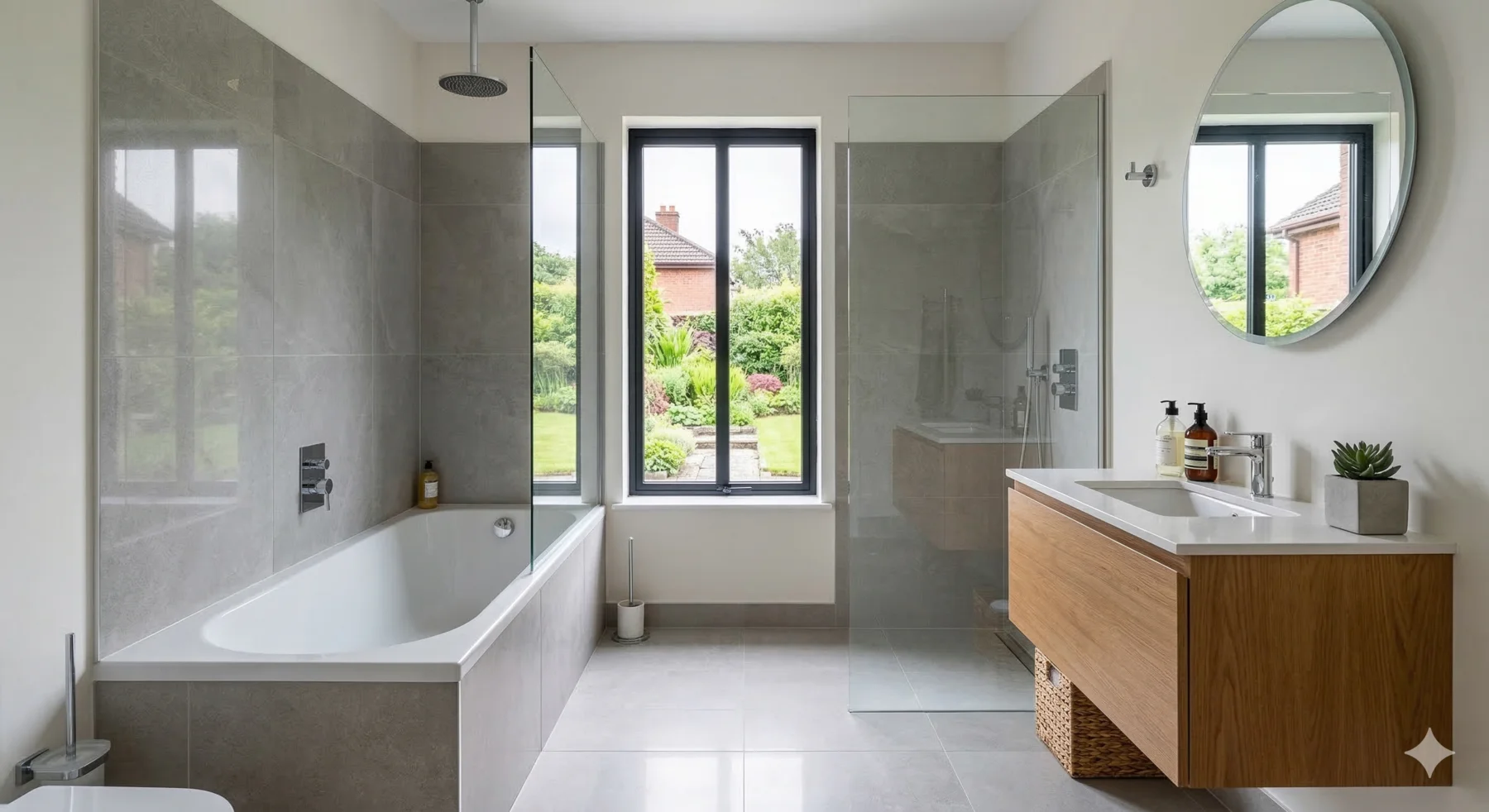
Small bathrooms are a reality in many Dublin homes, especially in period properties, terraced houses, and older apartments. But a small bathroom renovation doesn't mean sacrificing style, comfort, or function. With thoughtful design choices, clever storage, and the right fixtures, you can transform a cramped bathroom into a sophisticated, spacious-feeling retreat. With over 35 years of building experience in Ballinteer and South Dublin, BR Building Services has completed countless small bathroom renovations that prove size isn't everything.
This comprehensive guide covers practical, cost-effective ideas that maximise every centimetre of your small bathroom space.
Walk-In Showers vs. Bathtubs: The Space-Saving Dilemma
For small bathrooms, the shower enclosure is often the largest fixture, so choosing wisely is critical. A walk-in shower without a bulky enclosure frame saves significant space compared to a traditional bath-shower combination.
Walk-In Shower Advantages
Walk-in showers create the illusion of space by eliminating visual barriers. A frameless glass screen, or even a wet room solution with no enclosure at all, opens up the room. For a typical Dublin semi-detached bathroom (around 2m x 2.5m), replacing a bathtub with a walk-in shower can free up 0.5-1 m² of floor space. Walk-in showers also eliminate the daily visual clutter of a shower curtain or enclosed cubicle.
Bathtub Considerations
If you want a bath, consider a compact freestanding or corner-mounted model. Some Dublin homeowners choose a shallow Japanese-style soaking tub that fits smaller footprints. A combined bath-shower requires compromises but offers flexibility for families. For small bathrooms, a shower-over-bath setup uses space efficiently, though you sacrifice the clean, open feel.
Space-Saving Insight
If your small bathroom must include a bath, position it along the longest wall and use corner or wall-mounted shower screens. This keeps the room's open circulation space uncluttered.
Wall-Hung Toilets and Vanities: Visually Lift the Room
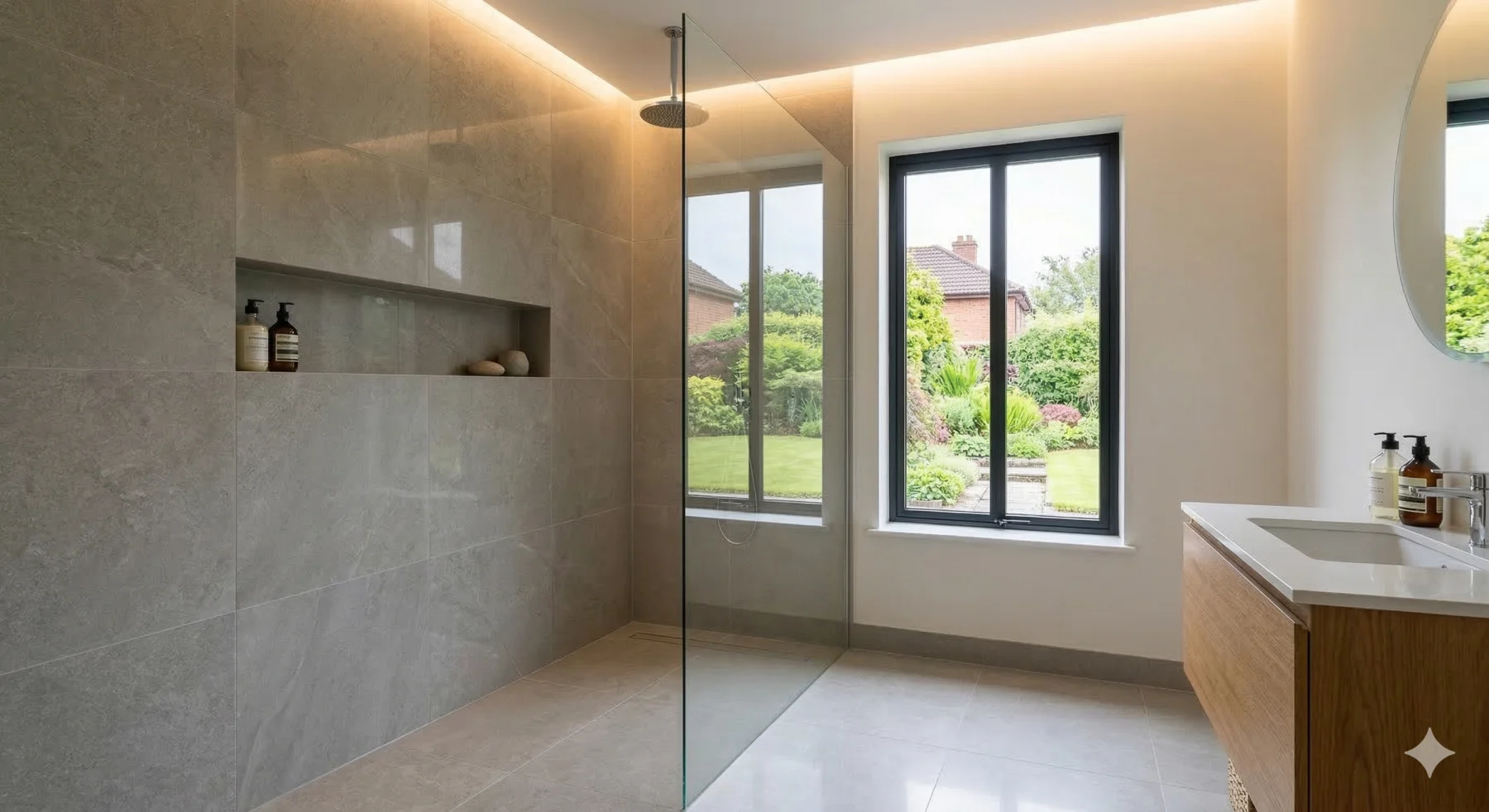
Wall-hung (or floating) fixtures are one of the most impactful upgrades for small bathrooms. A wall-mounted toilet and vanity create visual lightness by exposing the floor beneath them, making rooms feel larger and airier. They're especially effective in small Dublin bathrooms where floor space is at a premium.
Wall-Hung Toilet Benefits
Wall-mounted toilets reduce the visual footprint and make cleaning easier. They require in-wall cistern systems (concealed behind the wall), which are standard in modern builds but require careful installation in older Dublin properties. The cost premium is modest—around €300-€600 more than a traditional toilet—but the spatial benefit is substantial.
Wall-Hung Vanities
A floating vanity with a countertop (800-1200mm wide) replaces a traditional pedestal sink. Wall-mounted vanities offer storage within the cabinet while keeping the area below open. In a small bathroom, this transforms the perception of space. Choose a single-drawer or open shelf design for compact bathrooms rather than deep cabinets that protrude into the room.
Large Format Tiles: Make Small Spaces Feel Bigger
Tile size dramatically affects how a small bathroom feels. Large format tiles (600x600mm or larger, up to 1200x600mm) have fewer grout lines, creating a seamless, expansive visual effect. Small bathroom tiles (200x200mm or smaller) have more grout lines, which fragment the visual space and can make rooms feel more cramped.
Tile Selection Strategy
Use the same large format tile on floors and walls where possible—this continuous pattern creates flow and increases perceived space. Pale tiles (light grey, off-white, soft beige) reflect light and open up the room, while dark tiles absorb light and make spaces feel smaller. Matte finishes are slip-resistant but glossy tiles reflect light to brighten tight spaces.
Grout Colour Matters
Match grout colour to tile colour to minimise grout line visibility. Using contrasting grout (dark grout with light tiles, or vice versa) emphasises the grid pattern, making rooms feel smaller. For small bathrooms, blended or tone-on-tone grout is the better choice.
Recessed Shelving and Niches: Hidden Storage
Small bathrooms struggle with clutter. Recessed shelves and niches built into the wall between studs provide storage without protruding into the room. These are especially valuable above the toilet, in shower corners, or beside the vanity. Recessed shelves are deeper than floating shelves and take no floor or wall-mount space.
Recessed Niche in Shower
A recessed shower niche eliminates the need for corner caddy shelves or corner soap dispensers. A standard niche (300x600mm) cost-effectively adds shelf space for bottles and toiletries without cluttering the visual space. In renovations of older Dublin homes, retrofitting recessed shelves requires opening walls, but new renovations can integrate them during framing.
Over-Toilet Shelving
Recessed shelving above the toilet (accessible but out of the main sightline) stores towels, supplies, and decorative items. This prime real estate in small bathrooms is often wasted. Recessed cabinets here provide organised storage without making the room feel cramped.
Underfloor Heating: Comfort Without Clutter
In Dublin's cool, damp climate, heated bathroom floors offer comfort without adding bulky radiators. Underfloor heating systems (electric or water-based) sit beneath floor finishes and deliver warmth efficiently. They eliminate the need for towel rails and radiators, freeing up valuable wall space in small bathrooms.
Electric Underfloor Heating
Electric systems are cheaper to install (€800-€1,500 for a small bathroom) but more expensive to run. They work well as supplementary heating in small bathrooms. Installation requires 50-100mm of concrete screed above the heating mat, raising floor levels slightly—a concern in older Dublin homes with tight doorways.
Water-Based (Hydronic) Systems
Connected to your home's heating system, hydronic underfloor heating is more economical for regular use but requires plumbing integration. Cost is higher upfront (€1,500-€3,000 installed) but long-term running costs are lower. These systems offer an elegant solution for small bathrooms where radiators would waste precious space.
Good Lighting Design: Brightness Expands Perception
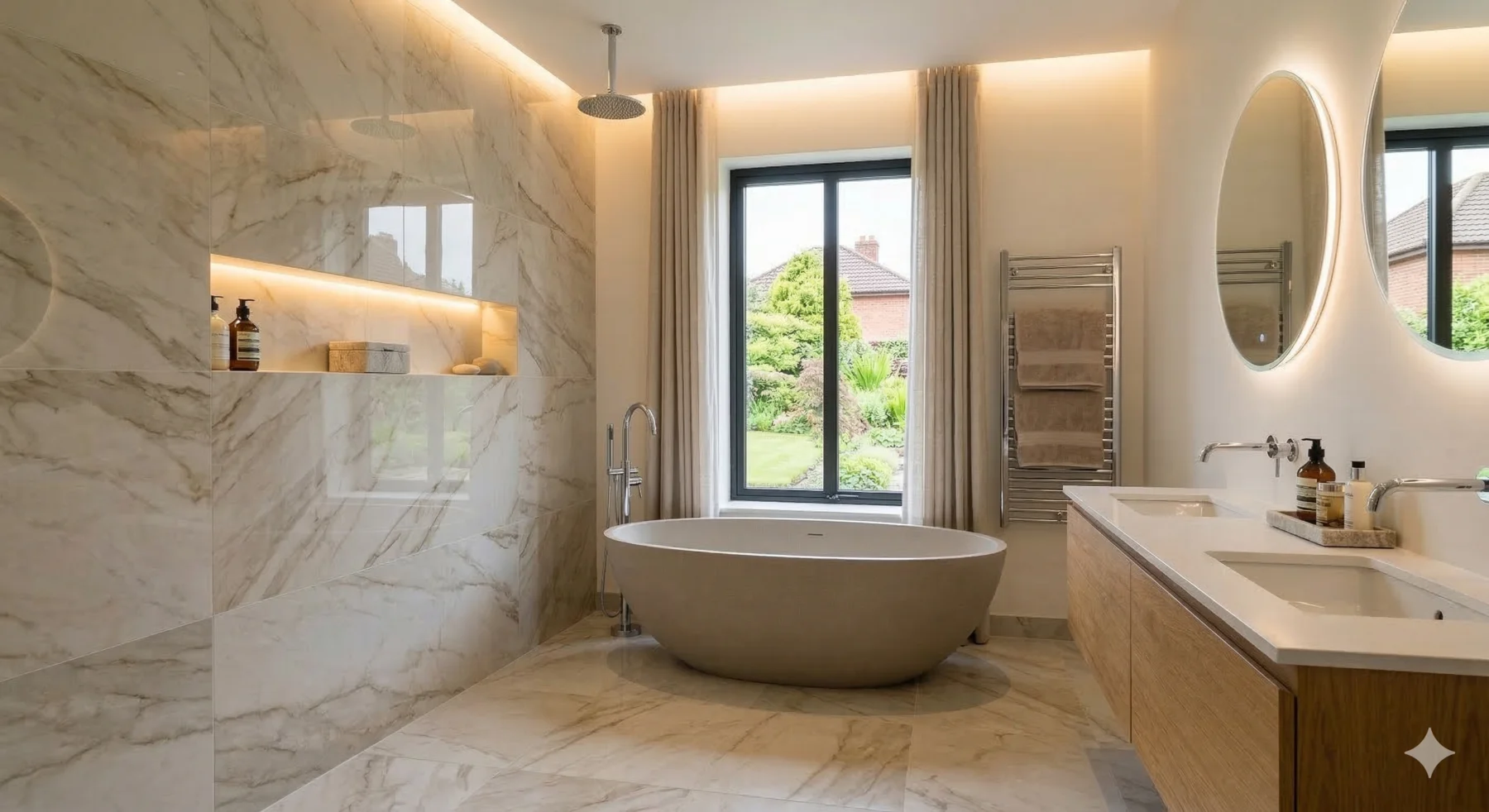
Proper lighting is transformative in small bathrooms. Poor or dim lighting makes spaces feel cramped and gloomy. A layered lighting approach—ambient, task, and accent—brightens the room and improves functionality.
Ambient Lighting
Recessed downlights or a flush-mount ceiling light provides overall brightness. For a small 2m x 2.5m bathroom, 2-3 recessed spots or one central fixture suffices. LED lights generate less heat (important in moisture-rich bathrooms) and consume minimal energy.
Task Lighting
Lighting around the mirror is essential for grooming. Wall-mounted sconces or a lit mirror (backlit or surround lighting) eliminate shadows on your face. Avoid a single overhead light that casts unflattering shadows. A lit mirror adds sophistication and functionality to small bathrooms.
Accent Lighting
Subtle accent lighting (LED strip behind floating shelves, under-shelf lighting) adds depth and visual interest without overwhelming a small space. Warm white light (2700K colour temperature) feels cosy, while cooler white (4000K) is more clinical but energising for morning routines.
Mirrors and Glass: Create Illusions of Space
Large mirrors are one of the most cost-effective ways to expand the perceived size of a small bathroom. A full-height mirror or oversized cabinet mirror reflects light and creates visual depth, doubling the sense of space.
Full-Height Mirrors
A floor-to-ceiling mirror on one wall is transformative. It reflects light from windows or fixtures, brightens the room, and creates a psychological sense of expanded space. Position a full-height mirror opposite the door or window to maximise light reflection.
Mirrored Cabinets
A large mirrored medicine cabinet combines storage and mirror function. A 1000-1200mm wide mirrored cabinet provides shelving for toiletries while serving as the main mirror. These are more practical than a standalone mirror and solve the storage problem simultaneously.
Glass Shower Enclosures
Transparent or frosted glass shower screens maintain visual flow through small bathrooms. Opaque shower curtains segment the space visually, while frameless glass screens preserve openness. Even a partial glass panel (instead of a full enclosure) keeps the shower area visually connected to the rest of the bathroom.
Smart Storage Solutions: Maximum Efficiency
Small bathrooms demand organised storage to avoid visual clutter. Beyond recessed shelves, consider:
- Tall, Narrow Cabinetry: Floor-to-ceiling storage along one wall maximises vertical space without consuming floor area. A narrow cabinet (300-400mm deep) fits corners or wall spaces without dominating the room.
- Drawer Dividers and Organizers: Keep vanity drawers organised to maximise usable space. Compartments for cosmetics, medications, and grooming tools prevent clutter.
- Open Shelving: Above the toilet or beside the vanity, open shelves with decorative baskets store items visually and accessibly. Keep open shelves minimal and curated to avoid looking cluttered.
- Behind-Door Storage: Over-the-door hooks, racks, or cabinets use space that's otherwise wasted. An over-the-door organiser stores small bottles, brushes, and supplies without consuming bathroom floor area.
- Heated Towel Rails with Storage: Some heated rails include shelf space or hooks for towel storage, combining function and heating.
Wet Room Conversions: Maximum Space Efficiency
A wet room—a bathroom where the entire floor is waterproofed and sloped for drainage—represents the ultimate space-maximising design. Instead of a separate shower enclosure, the entire bathroom floor becomes a shower area with a low-profile drain.
Advantages for Small Bathrooms
Wet rooms eliminate shower cubicles entirely, opening up the full floor area and creating an incredibly spacious feel. They're luxurious, accessible (no step-over barrier), and aesthetically clean. No shower enclosure means no glass to clean, no frames to accumulate mildew.
Cost and Practicality
Wet rooms require professional waterproofing (tanking), sloped flooring, and proper drainage integration. In Dublin properties, this typically costs €3,000-€6,000 to retrofit into an existing bathroom. They're most economical in new builds or major renovations where walls are already open. Wet rooms also require ventilation discipline—moisture control is essential to prevent condensation on walls and mirrors.
Colour Palette for Small Bathroom Success
Colour profoundly affects how a small bathroom feels. Light, neutral colours expand visual space, while dark colours absorb light and compress space.
Light Neutrals (Recommended)
Off-white, soft grey, pale blue, and warm beige keep small bathrooms bright and airy. These colours recede visually, creating a spacious, serene environment. They're also timeless, reducing the likelihood of costly re-renovations due to colour fatigue.
Accent Colour Through Accessories
Instead of dark-coloured walls, introduce colour through towels, mats, plants, and decorative items. This allows flexibility—you can change accessories seasonally or as tastes evolve, without repainting. BR Building Services' brand navy (#1B3A5F) and gold (#C9A227) can appear in accessories, never overwhelming small spaces.
Avoid Dark Colour Mistakes
Dark tiles, dark paint, and dark cabinetry feel oppressive in small bathrooms. If you prefer darker aesthetics, limit them to vanity cabinetry or accents rather than walls and large surfaces. A dark vanity cabinet with light walls keeps the room feeling open while providing visual interest.
Typical Small Bathroom Renovation Costs in Dublin
Small bathroom renovations in Dublin typically range from €8,000 to €18,000 depending on scope, finishes, and any structural work required.
| Renovation Scope | Cost Range | Timeline | Includes |
|---|---|---|---|
| Budget Cosmetic Refresh | €5,000 - €9,000 | 3-4 weeks | Paint, new toilet, basic tiles, standard vanity, plumbing updates |
| Standard Mid-Range Renovation | €10,000 - €16,000 | 5-8 weeks | Walls/flooring, quality fixtures, walk-in shower, wall-hung toilet, storage solutions, lighting upgrade |
| Premium Renovation | €16,000 - €25,000 | 8-12 weeks | Wet room conversion, underfloor heating, premium materials, designer finishes, smart lighting, recessed storage |
| Luxury Transformation | €25,000+ | 12+ weeks | Structural changes, heated towel rails, bespoke cabinetry, premium fixtures, integrated technology, luxury finishes |
Budget Planning Note
These costs assume no major structural changes. If your small bathroom requires new plumbing routes, electrical rewiring, or asbestos remediation (common in older Dublin properties), costs increase. Always budget an additional 10-15% contingency for unforeseen issues.
Maximising Your Budget
To get the best value for a small bathroom renovation in Dublin:
- Prioritise the Right Changes: Wall-hung fixtures, large format tiles, and good lighting deliver maximum impact per euro spent. Prioritise these over luxury accessories.
- Reuse Existing Layout: Moving plumbing is expensive. If possible, keep the toilet and sink in their existing locations to minimise plumbing costs.
- Quality Where It Matters: Invest in reliable fixtures (taps, flush mechanisms) that you interact with daily. Save money on decorative items you can change later.
- Simple Geometric Design: Straight walls and standard finishes cost less than complex angles or custom solutions. A simple rectangular layout maximises usable space.
- Off-the-Shelf Cabinetry: Custom cabinetry is expensive. Standard wall-hung vanities from bathroom suppliers are cost-effective and often stylish.
- DIY-Friendly Finishes: Paint, accessories, and hardware are areas where DIY (if skilled) saves money without compromising quality.
Why BR Building Services Delivers Results in Small Bathrooms
With 35+ years renovating Dublin homes, we've mastered small bathroom transformations. We understand the unique challenges of older Dublin properties—tight spaces, outdated plumbing, structural quirks—and deliver solutions that work.
Our approach:
- Detailed site survey to understand existing constraints
- 3D design visualisation so you see the finished result before work begins
- Space-maximising recommendations based on proven solutions
- Transparent pricing with no hidden costs
- Professional installation of all fixtures and finishes
- Minimal disruption—we work efficiently to get your bathroom back in service quickly
Our past clients consistently praise how we've transformed cramped bathrooms into stylish, functional retreats. Whether your Dublin bathroom is a small Victorian terrace bathroom or a modern apartment, we deliver results.
Getting Started with Your Small Bathroom Renovation
The first step is a consultation. We'll assess your current bathroom, discuss your priorities (space, style, budget), and recommend tailored solutions. Whether you want a simple refresh or a complete transformation, we'll guide you through the process with expert advice from someone with 35+ years in Dublin building.
Contact BR Building Services today to discuss your small bathroom renovation. We offer comprehensive bathroom renovation services in Dublin, from initial consultation through final completion.