Home Renovation Timeline: How Long Does a Renovation Take in Dublin?
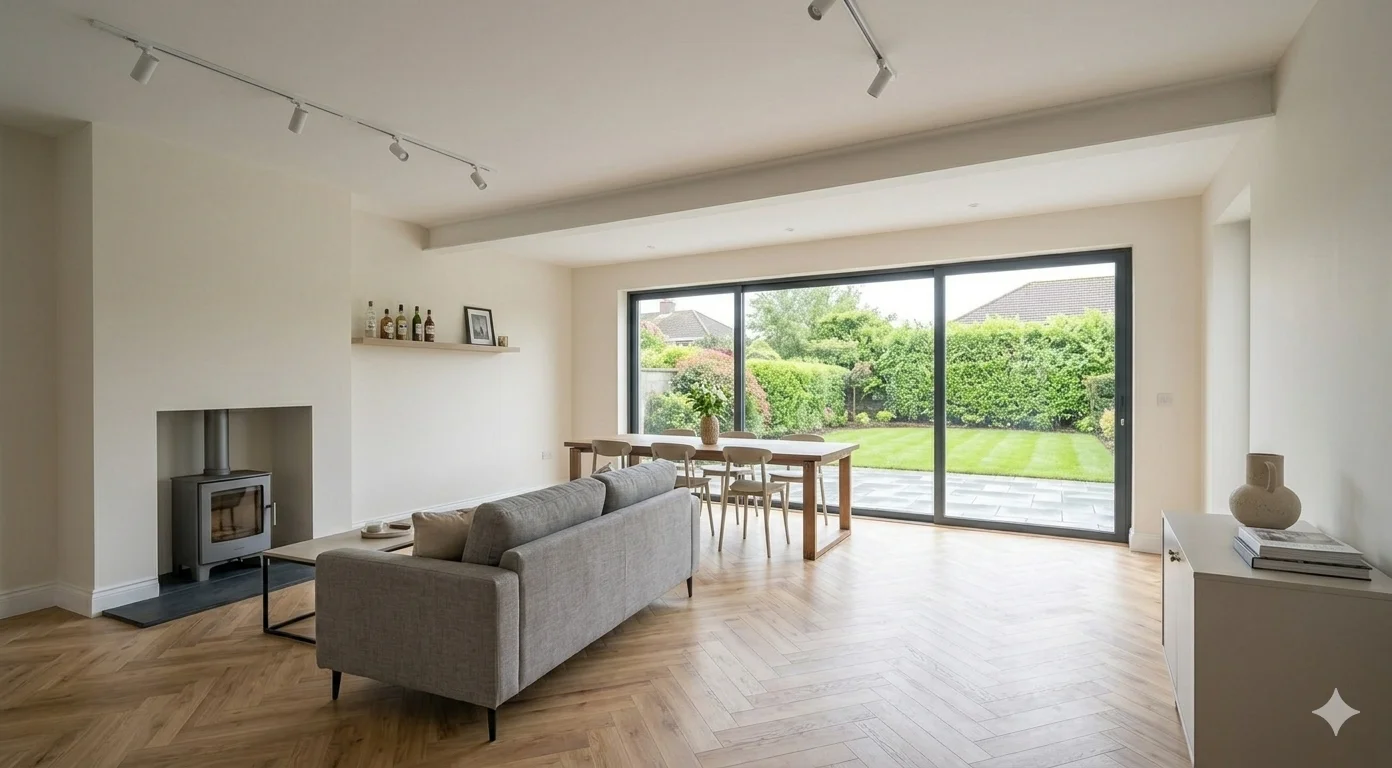
Planning a home renovation in Dublin? One of the most important questions you'll ask is: "How long will this take?" Understanding renovation timeline Dublin expectations helps you plan your finances, manage expectations, and avoid costly delays. With over 35 years of renovation experience across Ballinteer and South Dublin, BR Building Services has managed hundreds of projects, and we're here to give you realistic timeframes that help you plan with confidence.
Whether you're tackling a bathroom refresh, kitchen upgrade, rear extension, or complete house renovation, this comprehensive guide covers typical project durations, pre-construction phases, factors that cause delays, and how to keep your project on track.
Typical Renovation Timelines by Project Type
Project duration depends heavily on scope, complexity, and unforeseen issues. Here's what you can realistically expect in Dublin's market in 2026:
| Project Type | Typical Duration | Pre-Construction | Key Variables |
|---|---|---|---|
| Bathroom Renovation | 2-4 weeks | 1-2 weeks | Tile work, fixture availability |
| Kitchen Renovation | 4-6 weeks | 2-3 weeks | Cabinet lead time, appliance delivery |
| Rear Extension (Single) | 12-16 weeks | 6-8 weeks | Weather, ground conditions, finishes |
| Two-Storey Extension | 16-24 weeks | 8-10 weeks | Planning approval, structural complexity |
| Full House Renovation | 16-30 weeks | 8-12 weeks | Scope, structural issues, asbestos |
Key Insight
Pre-construction timelines are often underestimated. Design, planning applications, building control approval, and obtaining quotes can take 6-12 weeks before a single brick is laid. The actual construction time is just one phase of the entire project lifecycle.
Understanding the Pre-Construction Phase
Before construction starts, significant preparation work sets the project's success. Many homeowners are surprised how long this takes. Here's the breakdown:
Design and Specification (2-4 weeks)
Working with architects or designers to create detailed plans and specifications. This includes multiple revisions, material selections, and fixture choices. Rushing this phase often leads to rework during construction and cost overruns.
Planning Application (4-8 weeks)
Larger projects require Dublin City Council or Dun Laoghaire planning permission. Processing times vary, but expect 4-8 weeks. Some projects qualify for exemption under Part 4 of the Building Regulations (e.g., single-storey extensions under 40 m² with 7+ metres distance to boundaries), eliminating this step entirely.
Building Control Submission (1-2 weeks)
Structural engineers prepare calculations and drawings. Building Control registration happens alongside planning (or immediately after for exempt projects). This typically takes 1-2 weeks, though some projects can be registered immediately.
Tender and Contractor Selection (2-4 weeks)
Getting quotes from multiple contractors, comparing options, and finalizing contracts. Rushing this phase is false economy. A thorough tender process identifies experienced builders and realistic pricing.
Material Ordering and Lead Times (2-6 weeks)
Items with long lead times—bespoke kitchens, tiles, windows, specific stone finishes—must be ordered before site work begins. Delays here cascade through construction. Kitchen cabinets can have 8-12 week lead times, so ordering early is critical.
Short-Term Renovations: Bathrooms and Kitchens
Bathroom Renovations (2-4 weeks construction)
A typical bathroom gut-and-refurb takes 2-4 weeks once construction starts. This includes stripping existing finishes, replumbing, new electrics, plastering, tiling, fixtures, and painting. The critical path is usually tile work and plumbing. Bathroom fittings and sanitary ware have 2-4 week lead times, so order before site work begins.
Factors that extend bathroom timelines: discovering water damage or mould behind walls (adds 1-2 weeks), structural issues requiring new joists, tile work on challenging surfaces (curved walls, mosaics), and unexpected plumbing complications.
Kitchen Renovations (4-6 weeks construction)
Kitchen projects take longer than bathrooms due to appliance integration, cabinets, and service relocations. A typical timeline: 1 week stripping and preparation, 1 week structural/services work, 2-3 weeks cabinetry and appliance installation, 1 week finishes and snagging.
Kitchen timelines are heavily dependent on appliance and cabinet delivery. A 10-week cabinet lead time means you're waiting 10 weeks before construction can even start. Builders can work on walls, flooring, and services in parallel, but final assembly waits for the kitchen units. Plan accordingly.
Medium-Term Renovations: Single-Storey Extensions
A single-storey rear extension—the most popular Dublin renovation—takes 12-16 weeks of construction time plus 6-8 weeks pre-construction. Total project time: 18-24 weeks (4-6 months from decision to completion).
Construction Phases
- Weeks 1-2: Site setup, excavation, foundations. Ground conditions heavily influence this. Clay soil or high water tables extend timelines by 1-2 weeks.
- Weeks 3-4: Concrete, building up to DPC (damp proof course), groundwork complete.
- Weeks 5-8: Brickwork, blockwork to roof level. Weather is critical—rain halts brickwork, frost prevents concrete curing.
- Weeks 9-10: Roof structure and covering. A 6-week delay here cascades through finishes.
- Weeks 11-12: Windows, doors, external works. Glazing can have 6-8 week lead times—order immediately after planning approval.
- Weeks 13-16: Internal finishes: plasterboard, electrics, plumbing, flooring, decoration.
Weather Impact
Dublin's unpredictable weather—heavy rain, frost, wind—extends timelines. Brickwork halts during heavy rain. Concrete can't cure in frost. Winter projects typically add 2-4 weeks compared to summer builds. An extension scheduled November-February may not finish until April; the same project June-September might complete in February.
Major Renovations: Two-Storey Extensions and Full House Renovations
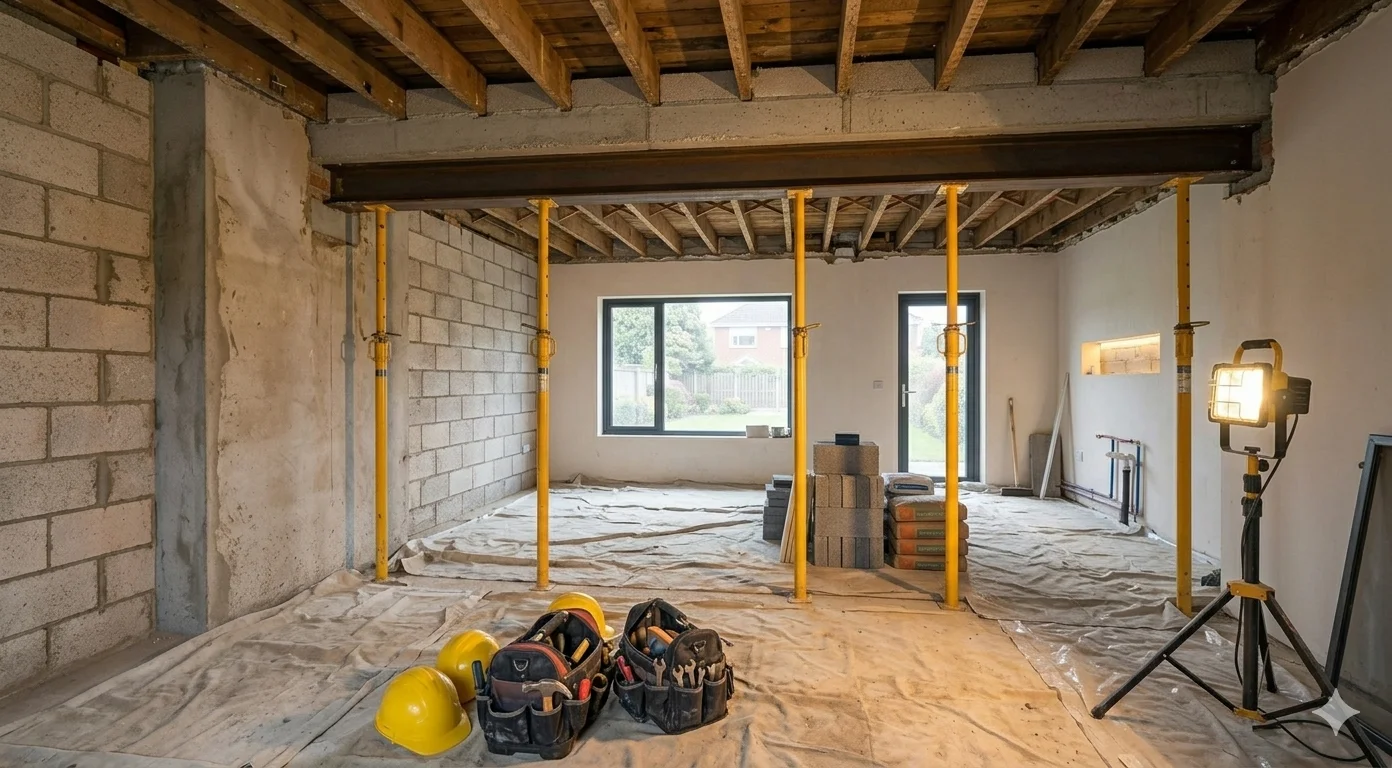
Two-Storey Extensions (16-24 weeks construction)
Adding a second floor adds structural complexity and duration. Planning timelines are often longer (8-12 weeks) due to council scrutiny. Construction adds 4-8 weeks compared to single-storey: structural requirements, internal staircase, additional MEP (mechanical, electrical, plumbing) routing, and roof complexity. Total project time: 24-36 weeks (6-9 months).
Full House Renovations (16-30 weeks construction)
Renovating an entire property—rewiring, replumbing, new bathrooms, kitchen, roof, windows—is the most unpredictable project. Timelines depend heavily on the building's condition. A 1970s semi with asbestos, damp issues, and woodworm might take 30+ weeks; a well-maintained property could finish in 16-20 weeks.
Full renovations reveal hidden problems. Once walls are opened, surveyors discover settling cracks, inadequate structural support, failing lintels, or hidden damp. These discoveries add 2-6 weeks and cost. Budget conservatively and expect surprises.
Factors That Cause Renovation Delays
The difference between an 18-week extension and a 24-week extension often comes down to unforeseen delays. Understanding these factors helps you plan realistically.
Material Supply Chain Issues
Windows, doors, kitchens, and bespoke items have lead times. A delayed cabinet delivery can halt an entire project for weeks. Supply chain constraints from COVID-19 have normalized, but lead times remain: 6-8 weeks for kitchens, 4-6 weeks for windows, 2-4 weeks for appliances. Order early and track delivery commitments closely.
Weather and Seasonal Effects
Dublin's winter rain, frost, and wind directly impact timelines. Brickwork in December takes longer than in July. Concrete cures slowly in cold weather. Roof tiling becomes dangerous in high winds. Winter projects often extend 2-4 weeks compared to summer equivalents.
Ground and Structural Discoveries
Opening ground can reveal poor soil requiring deeper foundations, high water tables necessitating pumping, or existing underground services (old drains, telecoms, etc.) needing relocation. A week of extra excavation isn't uncommon. Discovering structural issues—weak walls, inadequate lintels, foundation cracks—adds weeks and cost.
Building Control Inspection Scheduling
Building Control must inspect at key stages: foundation, DPC level, before covering (roof/finishes), and completion. If inspectors aren't available when your work is ready, you wait. During busy periods, expect 1-2 week gaps between inspection requests and inspections.
Contractor Resource and Weather Delays
If your builder juggles multiple projects, bad weather on one site shifts labour to another, delaying your project. A professional builder schedules slack, but weather, illness, or supplier failure cascades. This is where contractor experience matters: they build contingency time.
Design Changes and Variations
Every variation order—changing materials, adding features, modifying layouts—costs time. A mid-project decision to upgrade tiles, add electrics, or shift a door can add 1-2 weeks. Lock down designs before construction to minimize disruption.
Asbestos and Contamination
Older Dublin homes (pre-1980s) often contain asbestos in roofing, insulation, or pipe lagging. Discovery requires professional removal (1-2 weeks) before work resumes. Budget for this possibility in older properties.
How to Keep Your Renovation on Track
1. Choose an Experienced Builder
A builder with 20+ years local experience understands Dublin's challenges: soil conditions, Building Control quirks, supplier relationships. They build realistic timelines and manage risks. Cheaper quotes often hide inadequate planning.
2. Lock Down Specifications Early
Finalize designs, materials, and features before construction starts. Changes mid-project cost time and money. A detailed specification minimizes ambiguity and variation.
3. Order Long-Lead Items Immediately
Once planning is approved, order kitchens, windows, and bespoke items immediately. Don't wait for construction to start. A 10-week lead time for cabinets means you wait 10 weeks if you order late.
4. Plan for Weather Contingency
Winter projects should include 2-4 week buffer for weather delays. Discuss weather impact with your builder and agree on contingency scheduling upfront.
5. Schedule Building Control Inspections in Advance
Coordinate with your local Building Control office early. Don't request an inspection unless work is ready—missed inspections waste weeks. Some councils allow online booking; others require phone calls.
6. Maintain Clear Communication
Weekly site meetings between you, the builder, and any consultants (architects, engineers) catch issues early. A discovered problem on Wednesday costs far less than discovering it on Friday before a long weekend.
7. Understand Your Contract Terms
Clear contracts specify timeline, completion date, and variation procedures. Ambiguous contracts lead to disputes and delays. A fixed-price contract with a realistic schedule protects both parties.
Living in Your Home During Renovation
Many homeowners attempt to stay in their home during renovation. This requires careful planning to avoid chaos and disputes with your builder.
Single-Room Projects (Bathrooms, Kitchens)
You can typically live in the home during bathroom or kitchen renovations. Expect disruption: dust, noise, limited water/electricity during specific hours. Discuss access, parking, and timing with your builder. Most builders work 8 AM-5 PM Monday-Friday, accommodating a working household.
Extension Projects
Living during an extension is manageable if the extension doesn't affect your main living areas. Rear extensions usually don't disrupt the front of the home. However, expect: dust penetrating throughout the home, noise, vibration, temporary loss of outdoor space, and regular builder access. Some people prefer temporary relocation (caravan, rental) during the most intensive 8-10 weeks (excavation through roof weather-tightness).
Full House Renovations
Most people relocate during full house renovations. Staying in an actively renovated home is extremely stressful. Dust invades every room, utilities are interrupted, noise is constant, and the disruption to family life is significant. If you stay, expect 16-30 weeks of considerable inconvenience. Relocation costs (temporary rental, holiday rental, caravan) are often a worthwhile investment in sanity.
The Importance of a Realistic Project Schedule
A realistic, detailed project schedule is one of the most important project management documents. It should specify:
- Key milestones (planning approval, materials delivery, handover)
- Interdependencies (some work can't start until other work completes)
- Resource allocation (how many trades work each week)
- Weather contingency (extra weeks for winter weather)
- Material delivery dates (windows, doors, kitchens)
- Building Control inspection dates
- Risk register (what could go wrong and what the impact is)
A comprehensive schedule—often shown as a Gantt chart—helps everyone understand project flow. When delays occur, the schedule identifies the critical path: which tasks are must-complete-on-time versus which have flexibility. This prevents cascade failures where one 3-week delay extends the entire project by 8 weeks.
Why BR Building Services Delivers on Time
With 35+ years building across Dublin 16, Ballinteer, and South Dublin, we've perfected project planning and execution. We:
- Create detailed Gantt charts with realistic timelines based on actual Dublin conditions
- Maintain long-term supplier relationships, securing material delivery commitments
- Understand Dublin's Building Control and planning processes intimately
- Schedule resources to minimize weather impact and contractor conflicts
- Maintain contingency buffers for unforeseen issues—ground conditions, structural surprises
- Communicate weekly progress against schedule, flagging risks early
- Use proven methods that minimize rework and quality issues
Our clients consistently report on-time, on-budget delivery. We build trust through transparent communication and realistic expectations from day one.
Starting Your Renovation: Next Steps
Understanding renovation timelines helps you plan realistically. Here's how to move forward:
- Define Your Scope: Bathroom, kitchen, extension, or full renovation? Clear scope drives realistic timelines and costs.
- Consult a Builder or Architect: Get professional input on your specific property. Every Dublin home is unique.
- Obtain Quotes with Timelines: Quality builders provide detailed quotes with realistic schedules, not optimistic guesses.
- Plan Pre-Construction: Allow 6-12 weeks for design, planning, approvals, and material ordering before site work begins.
- Contract Clearly: Ensure your contract specifies timeline, variations procedure, and completion terms. Ambiguity costs time and money.
- Communicate Weekly: Regular contact with your builder keeps the project on track and catches issues early.