10 Common Home Renovation Mistakes Dublin Homeowners Make (And How to Avoid Them)
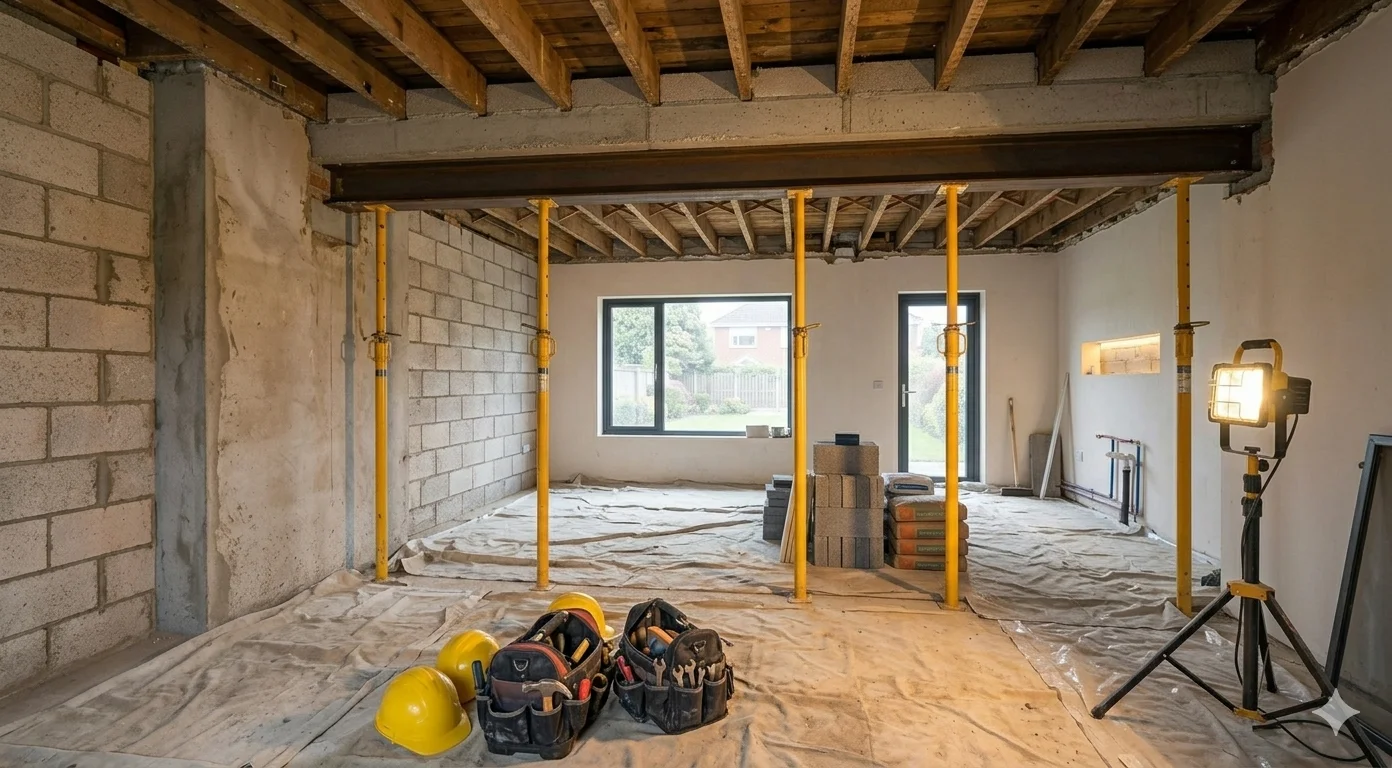
Home renovations are exciting—but they're also a significant financial and emotional investment. Over 35 years of building experience in Dublin, we've seen countless projects derailed by preventable mistakes. Whether you're planning a kitchen refit, bathroom upgrade, or complete house overhaul, understanding these common renovation mistakes Dublin homeowners make could save you thousands of euros and months of frustration.
This guide covers the 10 most costly errors we encounter and practical strategies to avoid them. Learn from others' experiences and approach your renovation with confidence.
The 10 Most Common Renovation Mistakes—And Solutions
| Mistake | Impact | How to Avoid It |
|---|---|---|
| No Realistic Budget | Cost overruns, incomplete work | Set detailed budget with 15-20% contingency |
| Choosing Cheapest Quote | Poor quality, hidden costs | Compare value, not just price |
| Skipping Planning Permission | Legal issues, forced removal | Check early with Local Authority |
| No Written Contract | Disputes, unfinished work | Require detailed contract before start |
| Too Many Changes Mid-Build | Delays, cost increases | Finalize plans before work begins |
| Underestimating Timeline | Stress, disruption, cost creep | Add 20% buffer to estimates |
| Ignoring Building Regulations | Unsafe work, resale issues | Register with Building Control |
| Poor Planning for Livability | Unlivable home during works | Plan temporary facilities |
| Forgetting Ventilation/Insulation | Damp, poor energy efficiency | Design these from the start |
| Ignoring Resale Value | Poor ROI, difficult sale | Design for broad appeal |
Pro Tip
The most successful renovations we've managed follow a simple rule: plan thoroughly, choose your team wisely, and resist the urge to make changes once work begins. That discipline alone prevents 70% of renovation headaches.
Mistake #1: Not Setting a Realistic Budget (Without Contingency)
The number one reason renovations spiral is inadequate budgeting. Homeowners often estimate costs on optimistic assumptions, failing to account for hidden problems, market fluctuations, or scope creep.
How to Avoid It:
- Get Multiple Detailed Quotes: Don't trust rough estimates. Ask contractors to break down labour, materials, waste, and overheads separately.
- Include a 15-20% Contingency: This isn't optional. Underground services, structural surprises, or unforeseen damp are common discoveries. You need a buffer.
- Budget for Temporary Costs: Skip-hire, temporary facilities, relocation costs during works—these add up fast.
- Factor in Professional Fees: architects, engineers, building control inspections, and planning applications aren't cheap but are essential.
A typical €50,000 kitchen and bathroom renovation should include €7,500-€10,000 contingency. If you don't need it, you've saved money. If you do, you're protected.
Mistake #2: Choosing the Cheapest Quote
Cost is important, but it's not the only factor. We regularly see homeowners select the lowest bidder, only to discover hidden costs, poor quality, and unfinished work.
How to Avoid It:
- Request Itemized Quotes: Compare apples to apples. If one quote is significantly lower, understand why. Is labour cheaper? Are materials inferior?
- Check References and Reviews: Ask for three previous clients. Call them. Ask about on-budget performance, communication, and final quality.
- Verify Credentials: Are they insured? Do they have Building Control approval? Are they registered traders?
- Trust Your Instinct: If a quote feels too good, it probably is. Established, reputable builders often cost more for good reason.
In Dublin, experienced renovation contractors charge €25-€50 per hour for skilled labour. Anything significantly lower suggests corner-cutting.
Mistake #3: Skipping Planning Permission Checks
Some work requires planning permission; some qualifies for exemption under Part 4 of the Building Regulations. Homeowners often guess wrong, leading to forced removal or enforcement action.
How to Avoid It:
- Consult Early: Contact Dublin City Council or Dun Laoghaire-Rathdown County Council (depending on your location) before design finalizes. A pre-planning consultation costs little.
- Know the Rules: Extensions under 40 m² to rear may be exempt; two-storey additions almost always need permission. Roof conversions require permission.
- Apply Formally if Required: Planning applications (€500-€1,500) protect you. Non-compliance carries fines up to €150,000 and forced removal orders.
- Get it in Writing: Don't rely on verbal assurances from neighbours or builders. Get formal confirmation from the Local Authority.
Building without required permission is the fastest way to kill a resale. Future buyers' solicitors will discover it.
Mistake #4: Not Getting a Written Contract
Verbal agreements and handshake deals lead to disputes. Without a written contract, you have no recourse if work stalls, quality drops, or costs balloon unexpectedly.
How to Avoid It:
- Insist on a Detailed Contract: Include scope of work, materials to be used, timeline, payment schedule, and how changes are handled.
- Define Completion Standards: What does "finished" mean? Snag lists are crucial. Work isn't complete until minor defects are rectified.
- Clarify Payment Terms: Stage payments tied to milestones, not upfront lumps. Typical: 25% deposit, 50% on commencement, 25% on completion.
- Include Dispute Resolution: What happens if there's a disagreement? Mediation before costly litigation is wise.
Professional contracts protect both you and the builder. They cost €100-€300 from a solicitor but prevent thousands in disputes.
Mistake #5: Making Too Many Changes During the Build
Renovation vision changes mid-build. You see the space taking shape and suddenly want different tiles, a moved wall, or upgraded finishes. Each change disrupts schedules and inflates costs.
How to Avoid It:
- Finalize Design Before Work Starts: Spend extra time upfront selecting materials, colours, layouts. Live with mood boards for a month before committing.
- Make a Master Decisions List: All choices (tiles, paint, fixtures, appliances) must be locked in before excavation begins.
- If Changes Arise: Request a written variation order outlining cost impact and timeline delay. Sometimes it's worth paying extra; sometimes it's not.
- Resist Perfectionism: The "perfect" bathroom can always improve. Accept 95% perfection to keep momentum and budget intact.
Mid-build changes typically cost 20-50% more than pre-planned equivalents due to remobilization and waste.
Mistake #6: Underestimating the Timeline
Most homeowners are shocked by how long renovations take. A "4-week kitchen" becomes 8 weeks. A "3-month bathroom" drags to 5. Weather, inspections, material delays, and unforeseen work extend timelines.
How to Avoid It:
- Ask Contractors for Realistic Estimates: Experienced builders build in buffers. If they say 12 weeks, expect 14-16.
- Add 20% Time Buffer: Your personal timeline should exceed the builder's estimate.
- Understand Dependencies: Plastering can't finish until structural work completes. Building Control must sign off before walls close. These aren't negotiable.
- Plan for Disruption: Can you live in the house during works? If not, budget for temporary accommodation—weeks, not days.
Dublin's weather alone extends timelines 2-3 weeks annually. Rain halts concrete work. Frost delays brickwork.
Mistake #7: Ignoring Building Regulations
Building Regulations ensure structural safety, fire protection, and energy efficiency. Cutting corners to save money creates unsafe homes and resale nightmares.
How to Avoid It:
- Register with Building Control: Before work starts, your builder must notify the Local Authority. This triggers inspections at key stages.
- Request Certificates: On completion, demand a Building Control Certificate. This proves compliance and is essential for resale and insurance.
- Understand Key Requirements: Structural integrity, electrical safety, fire safety (stairs, doors, alarms), thermal insulation, ventilation, drainage—all regulated.
- Don't Skip Inspections: Building Control inspectors visit at foundation stage, structural stage, and completion. These aren't bureaucratic obstacles; they protect you.
Missing a Building Control Certificate can halve your property's resale value. Future buyers' lenders won't advance mortgages without it.
Mistake #8: Not Planning for Storage and Livability During Works
Renovations disrupt daily life. Without planning, you'll be living amid dust, losing access to bathrooms or kitchens, and have nowhere to store furniture or belongings.
How to Avoid It:
- Plan Temporary Facilities Early: If the bathroom is being renovated, where will you bathe? If the kitchen is being gutted, how will you eat?
- Budget for Skip-Hire: Waste accumulates quickly. A skip costs €300-€600 per week but keeps the site tidy.
- Arrange Temporary Storage: Furniture needs somewhere to go. Self-storage units cost €100-€200/month.
- Protect Your Belongings: Dust sheets, temporary walls, and sealed rooms isolate renovation from living areas. This costs €1,000-€3,000 but preserves sanity.
- Consider Temporary Relocation: For major renovations, staying elsewhere (caravan, rental, family) is sometimes cheaper and less stressful than living on-site.
A young family living through a full kitchen/bathroom renovation without planned temporary facilities endures months of misery and household tension.
Mistake #9: Forgetting About Ventilation and Insulation
These are often afterthoughts, but they're critical to long-term comfort and energy bills. Poor ventilation breeds damp; poor insulation creates heat loss and cold rooms.
How to Avoid It:
- Design Ventilation from the Start: Bathrooms and kitchens need extractors vented to outside (not into lofts). New extensions need balanced ventilation or opening windows.
- Specify Insulation Standards: Current Building Regulations demand U-values (thermal resistance) for walls, roofs, and floors. Don't skimp.
- Consider Mechanical Ventilation with Heat Recovery (MVHR): Expensive upfront (€3,000-€6,000) but recovers 90% of heat while ventilating. Excellent for energy performance and air quality.
- Plan for Condensation Control: Insulation that traps moisture breeds mould. Proper ventilation and moisture barriers prevent this.
A beautifully renovated kitchen with poor extractor fans develops mould and smells within months. The repair costs far exceed the original extractor system cost.
Mistake #10: Not Thinking About Resale Value
Every renovation decision affects future marketability. Trendy choices, personal tastes, and unusual finishes appeal to you but may alienate future buyers.
How to Avoid It:
- Choose Neutral Colours and Classic Styles: Bold feature walls, unusual tile patterns, or very modern designs have narrower appeal. Neutral tones, traditional layouts, and timeless finishes attract broader buyer interest.
- Invest in High-ROI Upgrades: Kitchens and bathrooms return 60-80% of costs at resale. Loft conversions add significant value. Decorative features don't.
- Maintain the Property's Character: Victorian homes suit period features. Modern homes need contemporary finishes. Mismatches devalue.
- Over-Specifying is Wasteful: Luxury finishes in a mid-range Dublin neighbourhood don't justify prices. Match your specification to the local market.
- Document Everything: Keep receipts, warranties, Building Control Certificates, and planning approvals. Future buyers pay premiums for documented, compliant work.
A €100,000 renovation that increases market value by only €50,000 is a poor investment. Balance personal enjoyment with market pragmatism.
Final Thoughts: The Path to a Successful Renovation
Success hinges on three factors: thorough planning, choosing experienced professionals, and discipline once work begins. Resist impulses, stick to budgets, and trust your builder's expertise.
At BR Building Services, we've guided hundreds of Dublin homeowners through renovations without these mistakes. With 35+ years of experience, we manage budgets, handle planning, coordinate Building Control, and deliver on schedule. We're not the cheapest—we're the most reliable.
Key Takeaway
Spend an extra 10% of your budget on planning, design, and professional guidance upfront. This investment prevents 90% of renovation mistakes and typically saves 20-30% during construction through better decision-making and fewer surprises.
Ready to Plan Your Renovation?
Don't let common mistakes derail your project. Consult with experienced professionals who understand Dublin's regulatory environment, local conditions, and market expectations. BR Building Services provides comprehensive renovation guidance from concept through completion.