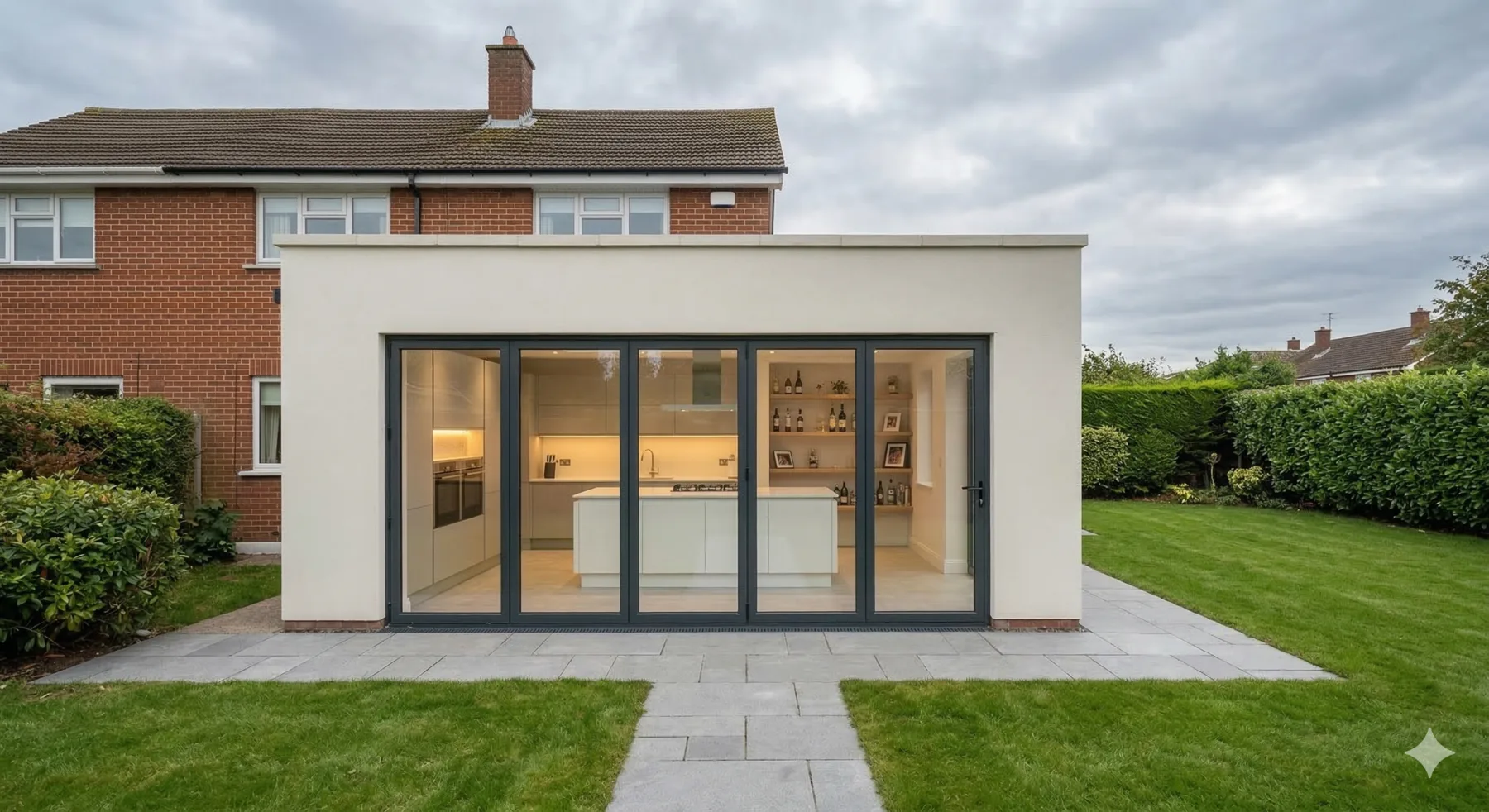
Do You Need Planning Permission for a Rear Extension in Dublin?
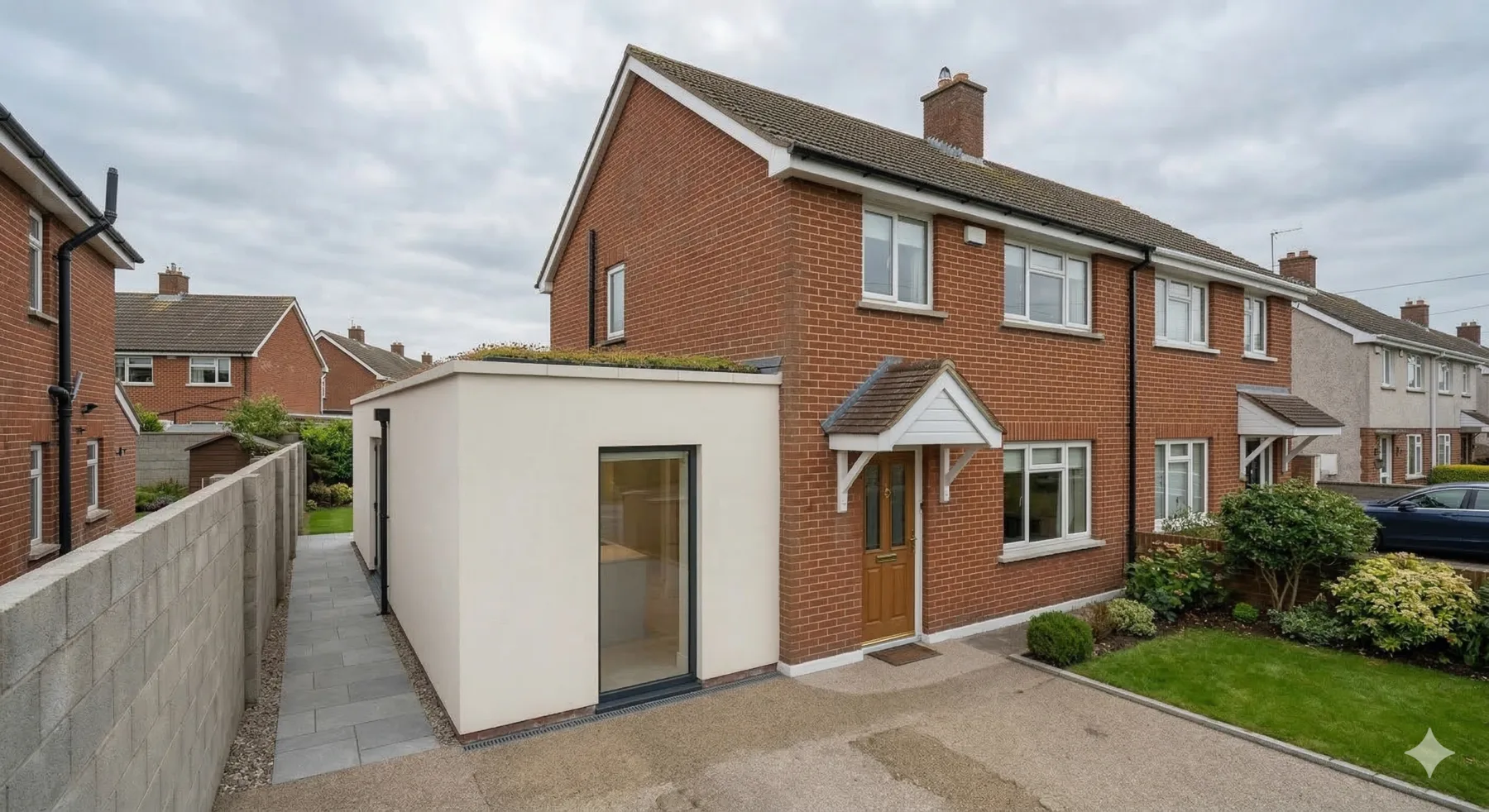
One of the most common questions we hear at BR Building Services is: "Do I need planning permission for my rear extension?" The answer isn't straightforward, and getting it wrong can halt your project or result in costly enforcement action. With over 35 years of building experience in Dublin, we've navigated Ireland's planning and building regulations extensively. This comprehensive guide clarifies when you need planning permission, when you don't, and what the process entails.
Understanding the distinction between exempt development and works requiring planning permission is essential before you invest time and money in your rear extension project in Dublin.
What is Exempt Development?
Ireland's planning system recognizes certain small-scale building works that don't require planning permission. These are called "exempt development" and are defined in Part 4 of the Planning and Development Regulations 2001. The regulations allow homeowners to carry out certain extensions without submitting a planning application, provided specific conditions are met.
Exempt development rules exist to reduce bureaucratic burden for minor works while still protecting public amenity and residential character. However, even exempt development must comply with Building Regulations, which is a separate compliance pathway.
Key Distinction
Exempt development does NOT mean unregulated development. You still need Building Control approval, compliance with fire safety standards, proper drainage design, and structural safety. Exempt development only means you skip the planning permission stage.
Rear Extension Exempt Development Rules
For a single-storey rear extension in Dublin to qualify as exempt development, it must meet these criteria under Irish planning regulations:
- Maximum floor area: 40 square metres
- Eaves height: Not higher than the eaves of the existing building
- Ridge height: Not higher than the ridge of the existing building
- Materials: Must be of a similar appearance to the existing building
- Boundary setback: Extension must not be closer than 2 metres to side boundaries (with exceptions for corner plots)
- Residential density: The works must not result in the building becoming a multiple-unit residential building
These conditions are strict. A single breach means planning permission is required. For example, an extension exceeding 40 m² by even one square metre requires full planning permission, regardless of other factors.
Additional Conditions for Exempt Development
Beyond size and height, your rear extension must also not:
- Include a porch or conservatory (these have separate rules)
- Incorporate refuse or storage uses
- Be within 25 metres of a main road (in certain contexts)
- Be located on a protected structure or within a conservation area (exemptions don't apply)
- Obstruct important views or prospects into or out of a settlement
Protected structures and conservation areas in Dublin require planning permission for almost all extensions. If your home in Ballinteer, Terenure, or other parts of Dublin 16 is protected, you'll need planning permission regardless of size.
When You MUST Get Planning Permission
The following rear extension projects in Dublin require formal planning permission:
Two-Storey Rear Extensions
Any extension that is two storeys or adds a second storey to a single-storey section requires planning permission. Height, massing, and its impact on neighbouring properties trigger the need for assessment.
Extensions Exceeding 40 m² (Single Storey)
If your rear extension exceeds 40 square metres in floor area, planning permission is mandatory. A 42 m² extension cannot proceed as exempt development.
Protected Structures and Conservation Areas
If your property is a protected structure or located within a designated conservation area, planning permission is required for all but the most minimal works. Dublin has numerous protected structures, especially in Victorian and Georgian areas.
Extensions Differing in Appearance or Height
If your rear extension cannot match the eaves and ridge height of the existing building, or uses notably different materials or design, planning permission is necessary.
Boundary Setback Issues
If your site doesn't allow a 2-metre setback from side boundaries (common in terraced and semi-detached homes), planning permission is required.
You can request a waiver or variance, but this doesn't eliminate the need for the application process.
Comparison: Exempt Development vs. Planning Permission Required
| Factor | Exempt Development | Requires Planning Permission |
|---|---|---|
| Size Limit | 40 m² maximum (single storey) | No size limit (but must comply with zoning) |
| Storeys | Single storey only | Two-storey and above possible |
| Height | Limited to existing eaves/ridge | Negotiable with authority |
| Side Setback | 2 metres required | May be reduced with consent |
| Application Fee | €0 | €500-€1,500 |
| Timeline | Minimal delay (Building Control only) | 8-12 weeks typical assessment |
| Neighbour Consultation | Not required | Required; notices served on neighbours |
| Design Flexibility | Limited (must match existing) | Greater scope for design variation |
| Local Authority Assessment | No formal assessment | Full assessment against development plan |
| Refusal Risk | None (if conditions met) | Possible refusal; appeal rights apply |
The Planning Application Process
If your rear extension doesn't qualify as exempt development, you'll need to submit a planning application to your local authority. In Dublin, this means South Dublin County Council, Fingal County Council, Dublin City Council, or Dun Laoghaire-Rathdown County Council, depending on your location.
Step 1: Pre-Application Consultation
Before submitting a formal application, consider having a pre-application consultation with your local authority. This is free and non-binding, allowing planners to flag potential issues early. The consultation typically takes 2-4 weeks.
Step 2: Prepare Design and Documentation
You'll need architectural drawings prepared by an architect or technician, showing floor plans, elevations, sections, and site layouts. For larger extensions, structural engineering drawings and planning statements may be required. Budget €1,500-€3,500 for design work.
Step 3: Submit Application
Submit your application to the local authority planning office with all supporting documents, photos, and a planning fee. The fee for an extension typically ranges from €500 to €1,500 depending on the proposed floor area and your local authority's schedule.
Step 4: Statutory Consultation Period
The local authority issues notices to neighbouring properties. Neighbours have 2 weeks to lodge submissions. The authority then has up to 8 weeks (extendable to 12 weeks for complex applications) to make a decision.
Step 5: Decision and Conditions
The authority grants permission (with or without conditions), refuses permission, or requests further information. If granted, conditions typically address materials, boundary treatments, drainage, and compliance with Building Regulations.
Step 6: Appeal (If Refused)
If refused, you have 4 weeks to appeal to An Bord Pleanála, the independent planning appeals body. An appeal costs approximately €100-€300 and takes a further 12-16 weeks for determination.
Planning Decision Statistics
In Dublin, the vast majority of residential extension applications (75-85%) are granted permission. Refusals typically relate to impact on neighbouring properties, failure to comply with development plans, or inadequate design. Working with an experienced architect or planning consultant significantly improves approval odds.
Costs and Timelines for Planning Permission
If you're opting for planning permission rather than exempt development, budget for these additional costs and timelines:
- Pre-application consultation: 2-4 weeks, no cost
- Architectural drawings: €1,500-€3,500, 2-3 weeks
- Planning application fee: €500-€1,500, instant
- Statutory assessment period: 8-12 weeks from submission
- Planning consultant (if required): €2,000-€5,000 for guidance and liaison
- Appeal process (if necessary): €100-€300 fee, 12-16 weeks
Total time from application submission to decision: 8-12 weeks. If appealed, add a further 12-16 weeks. Total soft costs (pre-design through permission): €4,000-€10,000 depending on complexity.
Building Regulations vs. Planning Permission
It's crucial to understand that planning permission and Building Regulations approval are separate requirements. You can have one without the other—but you need both.
Planning Permission assesses whether your extension fits within your local authority's development plan, respects neighbours' amenities, and aligns with planning policy. It's about land use and urban design.
Building Regulations ensure your extension is structurally safe, provides adequate fire safety, drainage, ventilation, insulation, and accessibility. It's about building safety and performance.
Even exempt development (which doesn't require planning permission) must comply with Building Regulations. You'll need to submit drawings to your local authority's Building Control section or a Registered Building Control provider, undergo inspections at key stages (foundations, first-fix, completion), and receive a Building Completion Certificate.
Building Regulations approval typically costs €1,000-€2,000 in fees and takes 4-8 weeks from initial submission through final inspection.
Checking Your Property's Status
Before deciding whether planning permission is needed, verify your property's planning status:
- Check if protected: Visit your local authority's website or contact them directly. Protected structures are listed in the Development Plan.
- Check conservation area: Ask your local authority planning department. Conservation areas impose stricter controls on extensions.
- Zoning check: Confirm your property's zoning. Some zones may restrict residential extensions.
- Previous applications: Ask your local authority for a record of any prior planning applications on your property.
For properties in Dublin, contact:
- South Dublin County Council: Planning and Building Control
- Citizens Information: Planning Permission Guidance
- Royal Institute of Irish Architects: Find an Architect
Common Myths About Rear Extensions
Myth 1: "If It's at the Back, I Don't Need Permission"
False. Location doesn't exempt you. A rear extension exceeding 40 m² requires permission regardless of where it is on the property.
Myth 2: "I Can Get Permission Later If I Build First"
Don't rely on this. Unauthorized development can trigger enforcement action, fines, or a requirement to demolish. The safest approach is to obtain permission or confirm exempt status before works commence.
Myth 3: "Neighbour Approval Means I Don't Need Planning Permission"
Neighbour approval is helpful but irrelevant to planning requirements. The local authority assesses planning merits, not neighbour sentiment alone. That said, neighbour support during the consultation period strengthens your application.
Myth 4: "Building Regulations Approval Replaces Planning Permission"
No. Building Regulations and planning permission are parallel processes. You need both (unless exempt from planning).
Professional Advice is Worth the Investment
The cost of professional guidance—an architect or planning consultant—is modest compared to the risk of proceeding incorrectly. A €1,500-€2,500 investment in design and planning support can save thousands in rework, enforcement costs, or refusal-related delays.
At BR Building Services, we've managed hundreds of rear extensions through Dublin's planning system. We know the local authority preferences, common pitfalls, and how to navigate the process efficiently. We can advise on exempt development eligibility, handle planning applications, and coordinate with Building Control.