Stunning Rear Extension Ideas for Dublin Homes
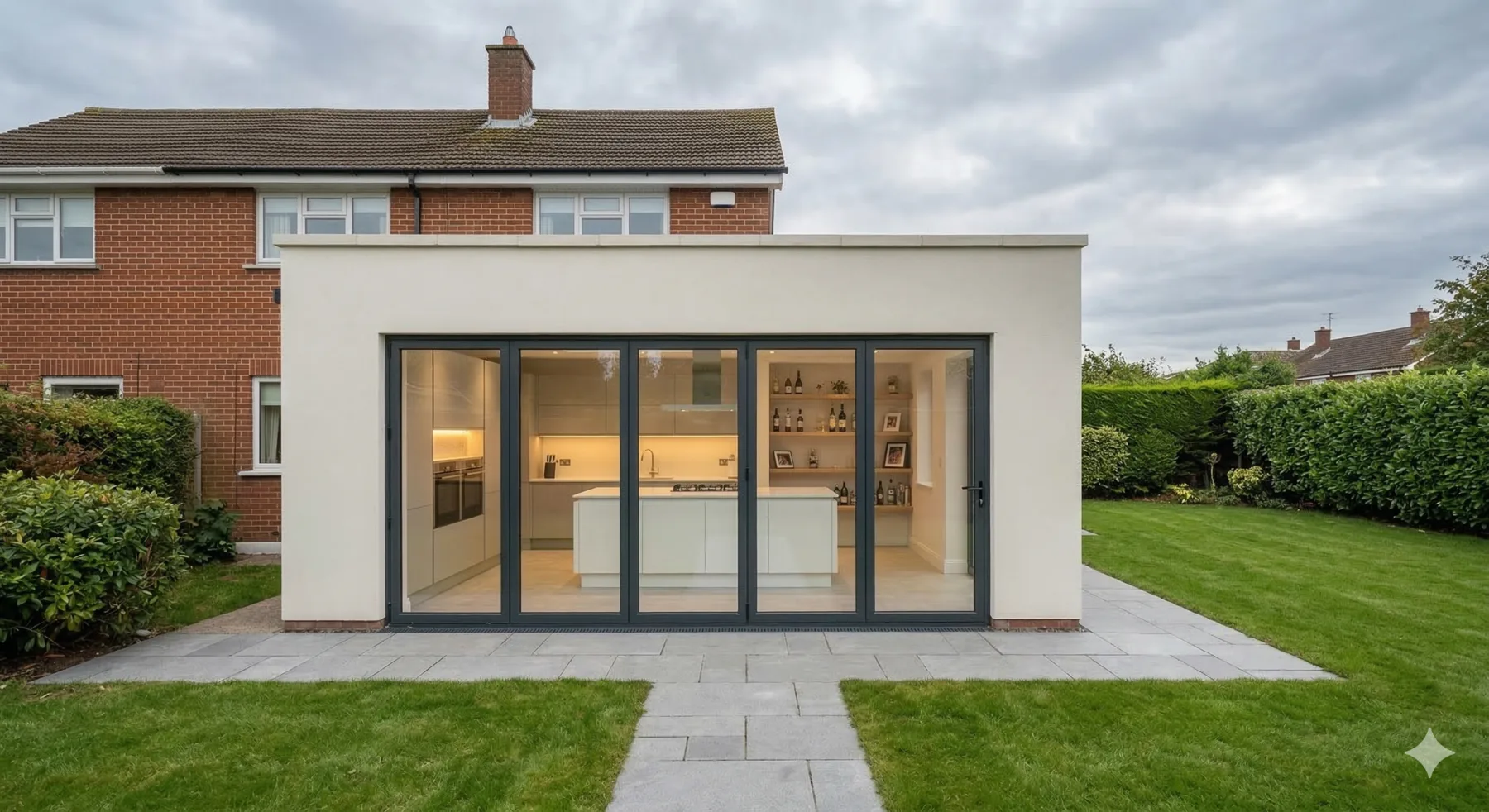
A rear extension is one of the most transformative investments you can make to a Dublin home. Whether you're looking to expand your living space, create a stunning kitchen-diner, or establish a seamless connection between indoors and outdoors, the design possibilities are endless. With over 35 years of building experience in Ballinteer and South Dublin, BR Building Services has completed hundreds of rear extensions, and we've seen first-hand which design concepts deliver the best results for Dublin families.
In this guide, we'll explore the most stunning rear extension ideas that work beautifully in Dublin homes, from contemporary glazed designs to creative roof solutions that maximise natural light and create the feeling of expansive open-plan living.
Open-Plan Kitchen-Living-Dining Rear Extensions
The open-plan rear extension is the gold standard for modern Dublin living. By removing the boundary between your existing kitchen and the extension, you create one unified, flowing space that's perfect for entertaining, family gatherings, and everyday living.
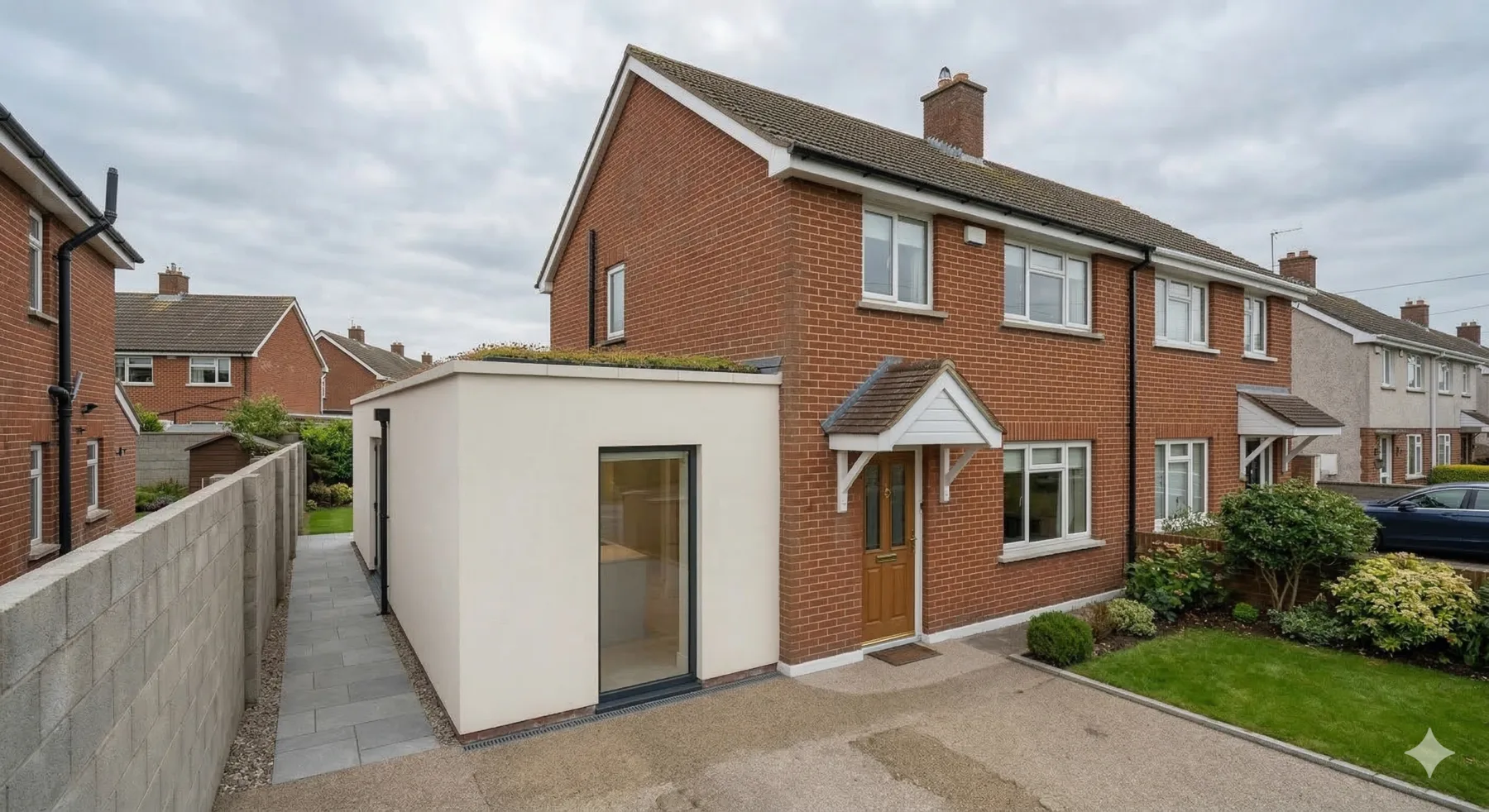
This concept works particularly well in Victorian and Edwardian terraced homes across Dublin 16, Ballinteer, and surrounding areas. The extension typically ranges from 20-40 m² and flows seamlessly from the original kitchen into a combined dining and living area. The result is a spacious, light-filled room that increases the home's functionality and value significantly.
Benefits of open-plan design:
- Enhanced sightlines and a sense of space, even in modest gardens
- Better supervision of children while cooking or entertaining
- Flexible room usage—dining, lounging, or working in one adaptable space
- Maximises natural light flow throughout the extension
- Increases resale appeal—modern buyers love open-plan living
The key to successful open-plan design is careful spatial planning and material continuity. Flooring, ceiling heights, and lighting should be coordinated between the extension and existing kitchen to create visual harmony.
Glazed Rear Walls with Bi-Fold and Sliding Doors
Nothing transforms a rear extension quite like expansive glazing. Large bi-fold doors (typically 3-4 metres wide) or sliding glass systems create a stunning visual statement while blurring the boundary between interior and garden.
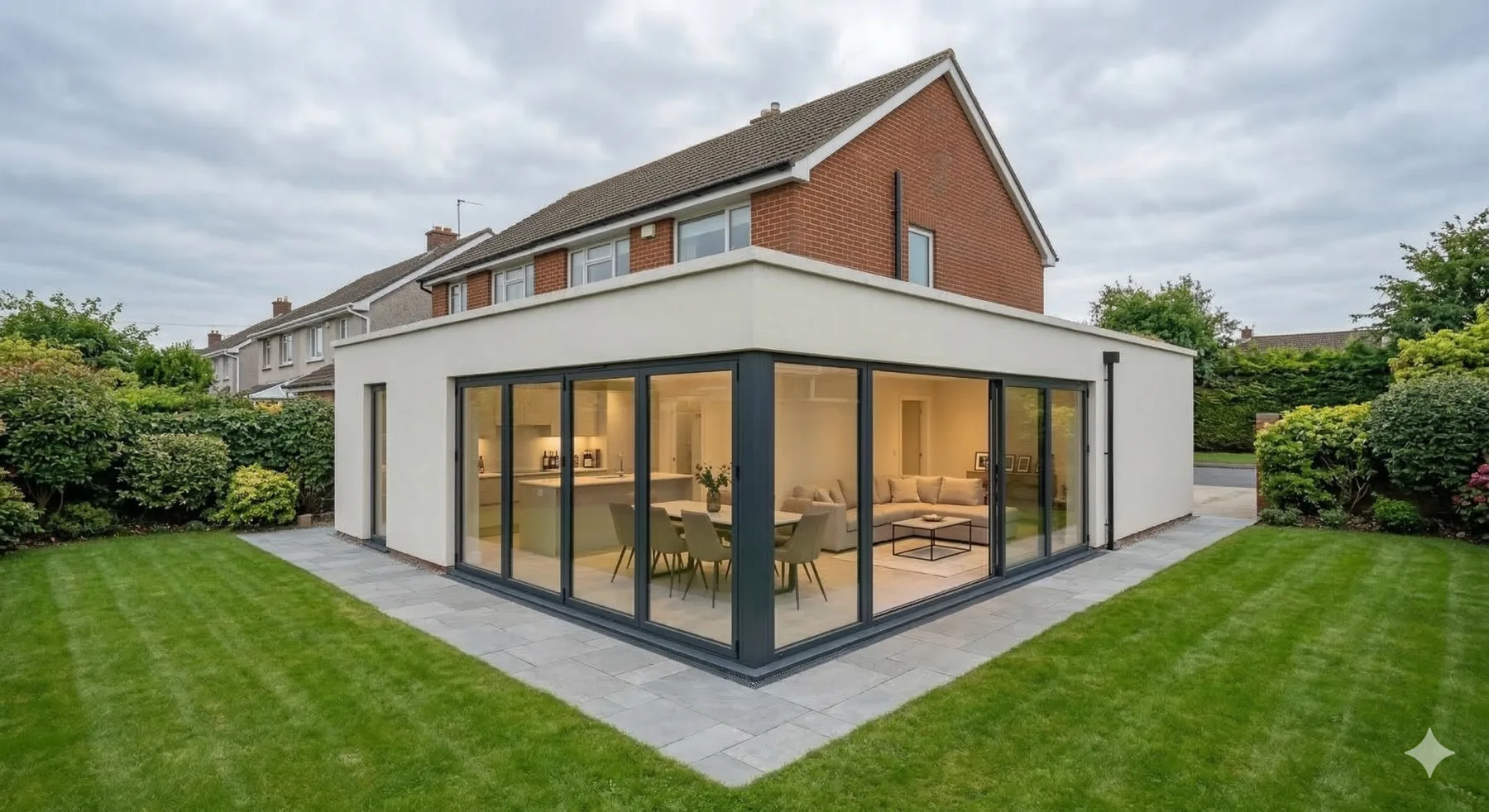
Glazed rear walls are particularly popular in Dublin because they maximise the precious daylight we receive and make the most of even modest garden views. Modern high-performance glazing (Low-E triple glazing, aluminium or composite frames) keeps heat loss to a minimum whilst offering stunning aesthetics.
Design options for glazed extensions:
- Full-height glazing: Floor-to-ceiling glass creates maximum visual impact and light penetration
- Bi-fold door systems: Fold back to one or both sides, opening the room entirely to the garden when weather permits
- Sliding glass doors: A more economical option, requiring less headroom and offering smooth, reliable operation
- Frameless glass corners: Structural glass at corners creates seamless views without obstructing sightlines
- Tinted or textured glazing: Provides privacy whilst maintaining light transmission
Pair your glazed wall with good ventilation—operable windows or a roof light above—to manage temperature and humidity in warmer months.
Pitched Roof vs Flat Roof: Which Design Suits Your Home?
The roof design of your rear extension dramatically affects its visual impact, functionality, and cost. Each approach has distinct advantages.
Pitched Roof Extensions
A pitched roof that echoes the slope of your main house creates visual continuity and often looks more proportionate, particularly on traditional terraced homes. Pitched roofs also offer practical advantages: better water drainage (crucial in Dublin's rainy climate), more headroom near the rear wall, and the opportunity to incorporate roof lights or Velux windows without compromising thermal performance.
Advantages: Better drainage, more character on period homes, easier installation of roof lights, increased usable headroom, often more cost-effective than complex flat roof systems.
Flat Roof Extensions
Flat roofs create a clean, contemporary aesthetic and are ideal for modern extensions or adding upper-storey additions later. They maximise internal ceiling height throughout the extension (no sloped soffits) and simplify the junction with single-storey extensions. Flat roofs also make access for maintenance and future installations easier.
Advantages: Contemporary appearance, full height walls, flexibility for future expansion, simpler structural details.
Design consideration: Flat roofs require modern high-performance membranes and careful detailing at edges and penetrations to prevent leaks. Upstanding edges or parapets also help with visual proportions and weather protection.
Side-Return Extensions: Maximising Width
Many Dublin terraced properties have narrow rear gardens but wider side passages. A side-return extension (sometimes called a side extension with rear linkage) wraps around the side of your home, reclaiming that wasted space and significantly expanding your floor area.
A typical side-return might be 3-5 metres wide and 8-12 metres deep, turning an awkward long corridor into an expansive, light-filled living area. This design works brilliantly for extending kitchen capacity or creating a dedicated dining room whilst opening up sight lines to the garden.
Considerations for side-return extensions:
- Ensure adequate light reaches the extension—corner glazing or roof lights are essential on narrow side returns
- Maintain relationships with neighbours; side extensions require careful boundary management
- Linking the side section to the rear section smoothly creates the most impact
- Planning permission is typically required, but many side returns fall within reasonable proportions for South Dublin locations
Incorporating a Utility Room or Study
Not all rear extensions should be purely open-plan. Many Dublin families benefit from incorporating a separate utility room, study, or home office within the extension footprint.
A clever design might include an open-plan kitchen-living area with a glazed partition separating a utility room or home office zone. This approach delivers flexibility: open the doors for entertaining, or close them when you need a dedicated workspace. Utility rooms are particularly valuable post-pandemic, where separate laundry and storage space has become a priority.
Positioning utility spaces on the side (near service entries) and keeping the main living area unobstructed maintains the sense of openness whilst adding functionality.
Connecting Indoor and Outdoor: Level Thresholds and Transitions
The most stunning rear extensions feel like seamless extensions of your living space. One critical detail often overlooked is the threshold height between the extension and garden.
Level thresholds (or minimal steps) are essential:
- Aesthetic impact: Uninterrupted sightlines from indoors to garden create an expanded feeling of space
- Safety and accessibility: Minimal height difference prevents trips and makes the space usable for elderly visitors or children
- Weather management: A very slight slope (1:200) prevents water pooling whilst being virtually unnoticeable
- Flooring continuity: Using the same (or visually matching) floor materials indoors and outdoors reinforces the connection
Many Dublin homes sit 200-400 mm above garden level due to Victorian-era construction. Planning your extension's floor level carefully—sometimes raising the garden level slightly or adjusting step heights—ensures a refined transition that adds real value to your home.
Roof Lights and Velux Windows: Maximising Natural Light
Dublin's climate means natural light is precious. Rear extensions that are deep or have limited side glazing benefit enormously from carefully positioned roof lights.
Roof light benefits:
- Skylights: A large central roof light floods the space with overhead light without compromising privacy or wall space
- Velux windows: Smaller, operable roof lights provide light, ventilation, and visual interest
- Light tubes: Reflective tubes can pipe natural light to darker corners of deeper extensions
- Position strategically: Roof lights on the rear slope (facing north or south) are less likely to cause summer overheating than west-facing positions
Modern thermal glazing on roof lights minimizes heat loss in winter whilst reflecting excess heat in summer. A well-placed roof light combined with bi-fold doors creates dramatic, naturally lit spaces that feel vastly larger than their square meterage.
Vaulted Ceilings: Creating Drama and Space
If you're opting for a pitched roof extension, consider taking the ceiling slope fully to create a vaulted or cathedral ceiling. This design creates a sense of expansiveness, exposes the roof structure as a visual feature, and makes the extension feel much larger than its actual dimensions.
Vaulted ceilings work particularly well when combined with:
- A central roof light that fills the peak with natural light
- Exposed timber beams as architectural features
- Large rear glazing that's accentuated by the slope
- Contemporary or traditional finishes that complement the pitched form
The trade-off is slightly higher heating costs (more volume to warm) and less flexibility for recessed ceiling lights. Proper insulation and strategic ventilation mitigate these concerns.
Material Choices: Creating Cohesion with Your Home
The most stunning rear extensions look like they belong to your home, not as add-ons. Material selection is crucial to achieving this integration.
Matching Brickwork
If your Dublin home is brick-built, sourcing matching brick for your extension's external walls is worth the investment. Modern brick suppliers hold extensive archive ranges, and careful mortar colour matching ensures the extension visually blends seamlessly. Exact matches aren't always possible—slight colour variation is natural and acceptable.
Render and Finish
Many South Dublin properties use rendered facades (often white, cream, or pastel). A rendered extension that matches the existing finish creates continuity. Modern silicate or lime-based renders also provide better breathability than older cement renders, reducing damp issues.
Zinc Cladding and Contemporary Materials
For contemporary homes or those seeking a design statement, materials like standing-seam zinc cladding, weathered steel, or timber cladding create striking visual contrast whilst being durable in Dublin's wet climate. These materials work best on new-build or heavily modified properties where they complement the overall aesthetic.
Roof Material Consistency
Match roof materials carefully. If your main house has slate, clay tiles, or concrete tiles, source the same for your extension. Mismatched roof colours are jarring and immediately announce that an addition is new. Quality roofing materials also last 30-50 years, so investing in matching materials pays off in durability and appearance.
Planning and Design Considerations
Before you fall in love with a design, ensure it complies with Dublin's planning and building regulations:
- Single-storey extensions under 40 m² often qualify for exemption under Part 4, but must meet specific setback and material requirements
- Larger extensions or two-storey additions require planning permission (typically granted if well-designed and proportionate)
- Building Control registration is mandatory and includes inspections at key construction stages
- Neighbour relationships: Even where permitted, respecting neighbour rights to light, privacy, and boundary lines is important
Working with an architect or experienced builder like BR Building Services ensures your design meets all requirements whilst achieving your aesthetic vision.
Why Professional Design Matters
The difference between a good rear extension and a stunning one often comes down to professional design attention. An experienced architect or designer will consider:
- Proportion and scale relative to your home's existing structure
- Orientation and solar gain (maximising winter warmth, minimizing summer overheating)
- Sightlines and spatial flow
- Material and colour palette that complements your home
- Integration of services (heating, lighting, plumbing) in ways that feel intentional
The Royal Institute of the Architects of Ireland (RIAI) directory can help you find a registered architect experienced in extensions if you want dedicated design input.
Creating Your Vision: Next Steps
The best rear extensions begin with a clear vision grounded in your lifestyle, budget, and the existing character of your home. Take time to gather inspiration (Pinterest, Instagram, and magazines are great resources), understand what appeals to you, and consult with professionals who can reality-test those ideas against your specific property and budget.
With thoughtful design and quality execution, your rear extension can become the heart of your Dublin home—a stunning space that adds immense value, functionality, and joy to your family's everyday life.
Professional Insight
At BR Building Services, we've delivered hundreds of rear extensions across Dublin. From modest single-storey additions to ambitious multi-purpose spaces, we combine design expertise with expert execution. Our clients consistently report that their extensions exceed expectations, deliver on budget and timeline, and transform their homes into spaces they love.