Two-Storey Extensions in Dublin: Planning Permission, Costs & What to Expect
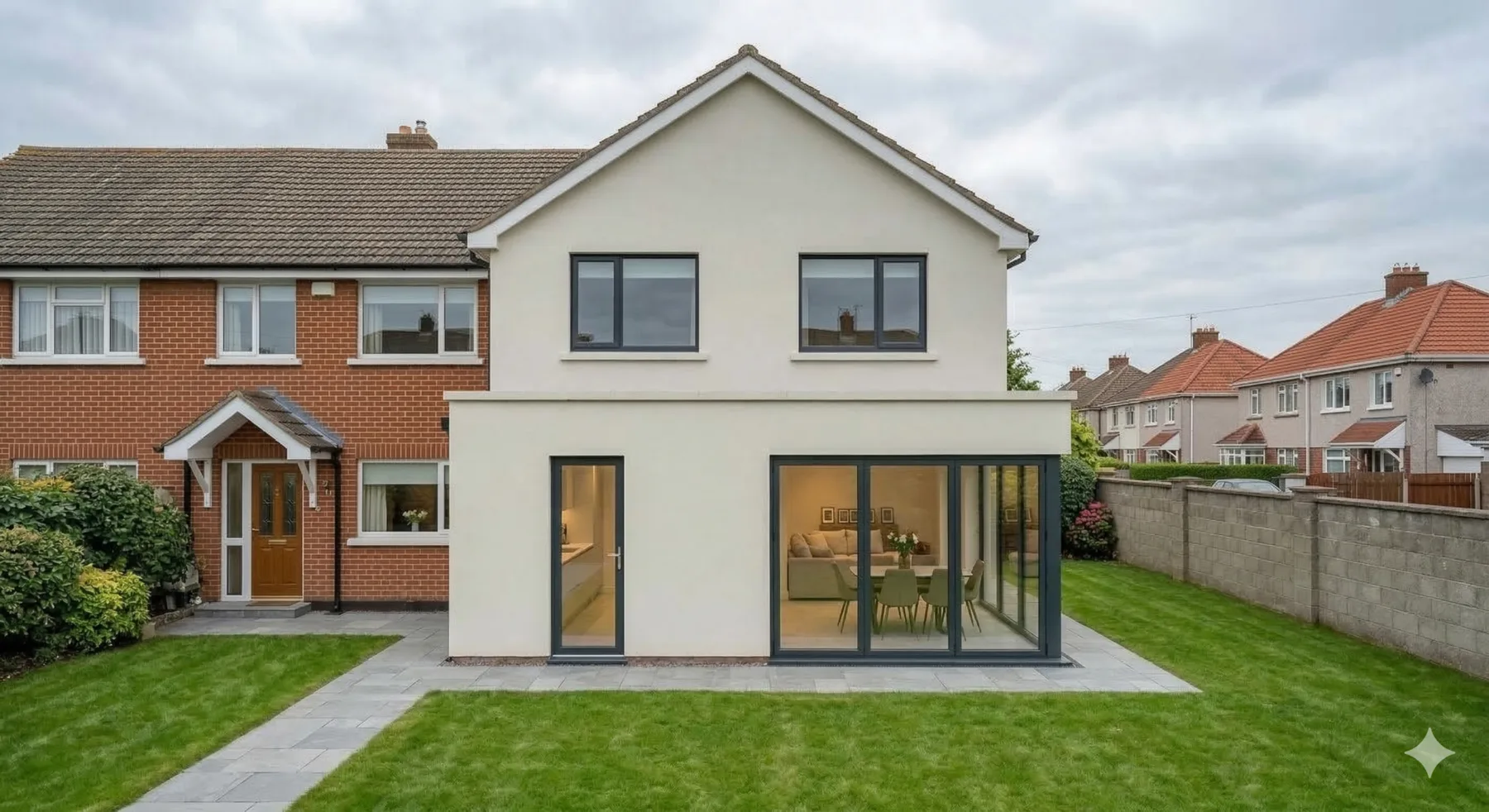
A two storey extension Dublin is one of the most valuable and transformative projects you can undertake on your home. Whether you're adding bedroom and bathroom space upstairs or creating a larger open-plan kitchen-diner below, two-storey extensions require careful planning, robust funding, and expert project management. With over 35 years of building experience across Ballinteer and South Dublin, BR Building Services has delivered dozens of two-storey extensions that have significantly increased property values and living space. This guide covers everything you need to know about planning permission, costs, Building Regulations, and what to realistically expect.
Unlike single-storey extensions, two-storey additions always require full planning permission. This is a critical point that many homeowners discover too late. This article covers the complete process from initial concept through practical completion.
Why Two-Storey Extensions Always Need Planning Permission
Planning permission is mandatory for two-storey extensions in Dublin. This is non-negotiable, regardless of garden size, existing building height, or distance from boundaries. The Planning and Development Acts stipulate that any extension exceeding certain thresholds requires formal planning approval from Dublin City Council or your local authority.
Two-storey extensions fall outside the permitted development exemptions that apply to some single-storey additions. Even a modest two-storey structure of 20 m² per floor requires full planning permission. This means:
- Formal application submission to local authority
- Planning drawings prepared by an architect or engineer
- Site notices and neighbour notification
- Eight-week decision period (minimum)
- Potential conditions attached to approval
- Right of objection for neighbours and third parties
Building without planning permission for a two-storey extension can result in enforcement action, forced removal, substantial fines, and loss of insurance cover. Never attempt to build without approval.
The Planning Application Process
Understanding the timeline and steps involved helps you manage expectations and costs. The process typically takes 12-16 weeks from initial design to approval, though this varies based on complexity and local authority workload.
Step 1: Design and Architect Drawings
Before submitting to planning, you'll need professional architectural drawings showing the proposed extension's design, materials, dimensions, and context. An architect's involvement typically costs €1,500-€3,500 depending on project complexity. These drawings form the basis of your planning application and must comply with planning department standards. During this stage, consider the extension's visual impact, how it complements your existing home's character, and whether it respects the streetscape.
Step 2: Planning Application Submission
You submit drawings, forms, site location plans, and a statutory declaration to your local planning authority. Planning application fees in Dublin range from €300-€750 depending on floorspace. If employing an agent or architect to submit on your behalf, expect to pay €200-€500 for their submission service.
Step 3: Site Notice and Notification Period
Once validated, the local authority erects a site notice at your property and notifies adjoining properties. This is the period when neighbours can lodge objections. The notification period is typically two weeks, though you'll rarely see objections if your design is sympathetic and compliant with development plans.
Step 4: Assessment and Decision
Planning officers assess your application against Dublin City Council's development plan, policy guidelines, Building Regulations compliance, and other material considerations. Eight weeks is the statutory decision period. Officers may request additional information (extending the clock), or they may approve, refuse, or approve with conditions. Most two-storey extensions that are well-designed and compliant receive approval within this timeframe.
Step 5: Discharge of Conditions
Planning approval typically includes conditions such as "submit samples of brick matching existing", "submit details of proposed windows", or "provide party wall awards before works commence". Discharging conditions (providing evidence that you've complied) can take 2-4 weeks and must be completed before works begin.
Two-Storey Extension Costs Breakdown
Two-storey extensions are significantly more expensive than single-storey additions due to structural complexity, additional floorspace, and enhanced Building Regulations requirements. Here's a realistic cost breakdown for 2026:
| Cost Category | Budget (per m²) | For 40 m² Extension | For 60 m² Extension |
|---|---|---|---|
| Build Cost (structural, labour, materials) | €2,500 - €3,500 | €100,000 - €140,000 | €150,000 - €210,000 |
| Planning Application & Architect Drawings | €50-€150 | €2,000 - €6,000 | €3,000 - €9,000 |
| Structural Engineering Design | €50-€100 | €2,000 - €4,000 | €3,000 - €6,000 |
| Building Control & Fire Cert | €30-€60 | €1,200 - €2,400 | €1,800 - €3,600 |
| Party Wall Surveyor (if required) | €20-€50 | €800 - €2,000 | €1,200 - €3,000 |
| Temporary Works & Site Setup | €50-€100 | €2,000 - €4,000 | €3,000 - €6,000 |
Real Example Costs
A 50 m² two-storey extension (25 m² per floor) in Dublin 16 typically costs €125,000-€175,000 for construction, plus €8,000-€15,000 in planning, engineering, and regulatory costs. Total project cost: €133,000-€190,000. This assumes standard specification finishes, normal ground conditions, and compliant design requiring no major reworks.
Planning Costs in Detail
The "soft costs" before building begins are often underestimated. Here's what to budget:
- Architect/Designer Drawings: €1,500-€3,500 (planning-grade drawings)
- Planning Application Fee: €300-€750 (Dublin local authority)
- Planning Agent Submission Service (optional): €200-€500
- Structural Engineering Design: €1,500-€3,000 (for Building Control)
- Party Wall Surveyor (if applicable): €1,500-€3,500
- Building Control Registration: €800-€1,500
- Fire Safety Certification: €400-€800
- Temporary Permits & Insurance: €500-€1,000
Total planning and regulatory costs: €6,500-€14,000 before any construction work begins. This is why quality professional input at design stage is crucial—rework due to poor planning costs substantially more.
Design Considerations and Matching Your Home's Character
Planning authorities assess two-storey extensions on their visual impact and compatibility with existing character. Your extension must:
Match Materials and Finishes
The brick, stone, or render finish of your extension should match the existing house. Dublin properties have distinct character—Victorian terraces, 1970s semis, and modern detached homes each require different approaches. Planning conditions often specify "brickwork to match existing in colour, texture, and pointing profile". Using mismatched materials is a planning refusal risk and looks poor architecturally.
Respect Proportions and Fenestration
Window placement, size, and proportions should echo those of your home's main elevation. A two-storey extension with tiny windows or oversized glazing looks poorly designed. Dublin Planning Department scrutinises elevational treatment carefully, particularly on prominent corners or listed structures.
Appropriate Roof Design
Pitched roofs matching the existing house are standard for Dublin's housing stock. Some modern properties use flat roofs, but compatibility with neighbours is important. A jarring roof design is grounds for planning refusal.
Boundary and Neighbour Considerations
Two-storey extensions cast shadows and affect neighbours' amenity. Planning officers assess overlooking, loss of light, and visual impact. Extensions set well back from boundaries and designed to avoid directly overlooking neighbours' windows receive faster approval. Those built to side boundaries may need party wall procedures and generate neighbour objections.
Building Regulations and Fire Certificate Requirements
Two-storey extensions must comply fully with Building Regulations, particularly regarding fire safety. This is more stringent than single-storey work.
Fire Safety Compliance
Two-storey extensions creating new bedrooms trigger fire safety requirements. You must provide:
- Adequate escape routes (two independent escape routes if the extension creates bedrooms more than 7.5 metres above ground)
- Fire-rated doors and partitions (typically 30-minute fire rating)
- Smoke detectors and emergency lighting (in certain scenarios)
- Compliant staircase (minimum widths, handrails, headroom)
A Fire Safety Certificate is issued by a certified architect or engineer once works comply with Fire Regulations. This certificate is essential for insurance, valuation, and legal protection. Expect €400-€800 for fire certification.
Structural Design and Certification
A structural engineer must design the extension's foundations, walls, roof, and connections to the existing structure. The design must account for existing soil conditions, loadings, and party wall locations. Structural design fees typically run €1,500-€3,000. Once construction is complete, the engineer issues a Structural Completion Certificate—essential for insurance and future sales.
Building Control Inspections
Building Control inspects at key stages: foundation trenches, foundations poured, walls erected, roof completed, and before first occupation. Inspectors verify compliance with regulations. Four inspections are typical for a two-storey extension. Building Control fees: €1,200-€2,000 total.
Party Wall Matters and Neighbour Relations
If your extension abuts a neighbour's property, Party Wall Act procedures apply. This applies whether the extension is built partly on the shared boundary or passes underneath a neighbour's foundations.
Party Wall Award Requirements
You must serve notice to adjoining owners at least two months before work begins. Both parties then appoint a surveyor (or one mutually appointed surveyor). The surveyor issues an Award detailing the construction method, neighbour protections, and dispute resolution. Party Wall procedures typically cost €1,500-€3,500 and take 8-12 weeks. Failure to follow Party Wall procedures is a criminal offence.
Managing Neighbour Concerns
Early consultation with neighbours—before formal notice—improves relationships. Explain your design, construction methods, and precautions. Most disputes arise from poor communication, not the extension itself. A well-designed extension that doesn't overlook neighbours or block light receives little objection.
Timeline: From Concept to Completion
Two-storey extensions require patience. A realistic timeline is 20-28 weeks from concept to occupancy:
- Design Phase (6-8 weeks): Architect develops concept, planning drawings, and structural design
- Planning Application (10-12 weeks): Submission, notification period, assessment, and discharge of conditions
- Building Regulations & Preparation (4-6 weeks): Final engineering, Building Control registration, party wall notices, contractor selection
- Construction (16-20 weeks): Foundation works (3-4 weeks), structural shell (8-10 weeks), finishes and services (5-8 weeks)
- Completion & Certification (2-4 weeks): Final inspections, snagging, Fire and Structural Certificates issued
Weather, supply delays, and unforeseen ground conditions can extend timelines by 4-8 weeks. Always plan for a realistic timeline to avoid costly programme pressure.
Common Planning Conditions for Two-Storey Extensions
Approval is rarely unconditional. Typical conditions include:
- Submission of samples of brickwork/render matching existing
- Window and door schedule showing make, profile, and materials
- Roof covering specification (tiles, slate, etc.)
- Boundary treatments (walls, fencing) to be shown in detail
- Party wall awards to be submitted before works commence
- Temporary hoarding and site security details
- Confirmation of Building Regulations compliance and control inspections scheduled
- Drainage layout showing connection to existing foul and surface water systems
Non-compliance with conditions can result in enforcement action requiring rework or removal. Your contractor must understand and follow all conditions precisely.
Cost-Saving Strategies for Two-Storey Extensions
Two-storey extensions are major investments. Here are realistic ways to reduce costs:
Standard Specification Materials
Specify standard cavity block, white PVC windows, and basic plasterboard finishes rather than premium alternatives. You'll save €300-€500 per m². The extension functions identically; the savings are in finish quality.
Simple Rectangular Geometry
A simple rectangular two-storey extension costs less to build than L-shaped, angled, or complex designs. Complex geometry increases labour time, material waste, and structural complexity. A straightforward design also gains planning approval more quickly.
Flexible Timeline
If you can wait for contractor availability (autumn/winter), you may negotiate 5-10% cost reductions. Urgency carries a premium.
Value Engineering in Finishes
Focus investment on high-visibility areas (kitchen, main bedroom). Secondary spaces (utility rooms, corridors) can have simpler finishes without compromising overall value.
Why Professional Guidance Is Essential
Two-storey extensions are complex. Poor planning decisions (design, process, contractor selection) result in cost overruns, timeline slippage, and regulatory issues. Professional involvement from an architect and structural engineer at design stage saves money and headaches downstream. These professionals understand Dublin's planning requirements intimately and know how to design for approval.
BR Building Services has guided hundreds of clients through two-storey extension projects across South Dublin. We coordinate architects, engineers, Building Control, party wall surveyors, and tradespeople. Our experience means early identification of risks, realistic cost and timeline estimates, and professional project delivery.