Do You Need Planning Permission for a Garden Room in Dublin?
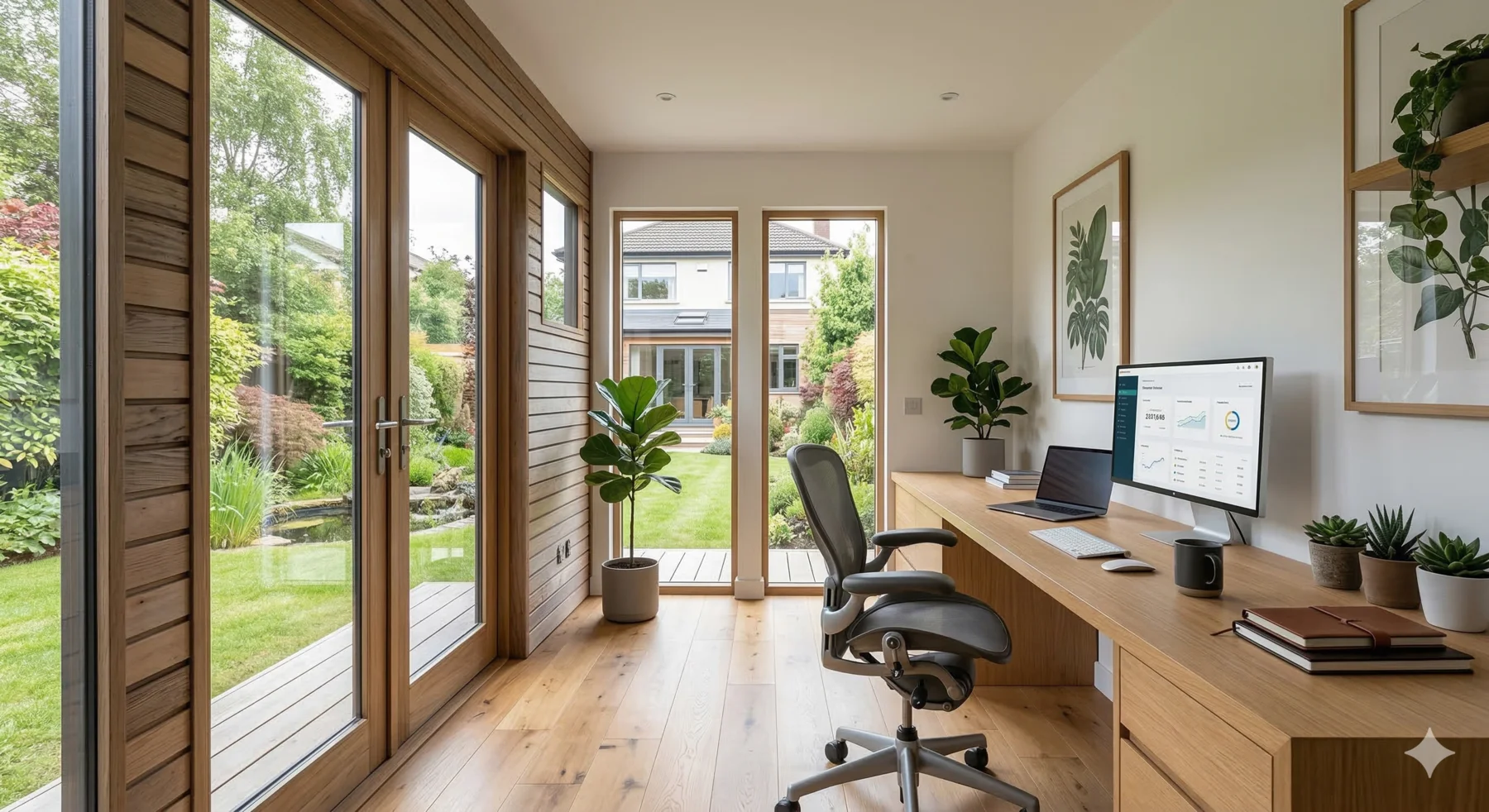
Garden rooms have become increasingly popular in Dublin over the past few years, transforming outdoor spaces into functional living areas. But before you invest €15,000-€50,000+ in your dream garden room, you need to understand the critical question: Do you need planning permission? The answer isn't always straightforward, and getting it wrong can result in costly enforcement action. With over 35 years of building experience in Ballinteer and South Dublin, BR Building Services has guided countless homeowners through garden room regulations. This comprehensive guide covers everything you need to know.
What Exactly Is a Garden Room?
A garden room is a standalone or semi-attached structure in your garden that provides additional living space. Unlike a traditional shed, a garden room is typically heated, insulated, and designed for regular habitation. Common uses include home offices, gyms, studios, guest accommodation, and creative spaces. The key distinction is that a garden room is habitable space, whereas a storage shed is not.
Exempt Development: When You Don't Need Planning Permission
Ireland's planning system recognizes "exempt development" under Part 4 of the Planning and Development Regulations 2001. Certain garden structures can be built without planning permission if they meet strict criteria. This is where many Dublin homeowners find good news.
Size and Area Limitations
The most critical exemption threshold is 25 square metres. Garden rooms under 25 m² may be exempt from planning permission, provided they meet other conditions. This typically translates to structures roughly 5m × 5m or 6m × 4m, which accommodates many modest garden room designs.
Height and Setback Requirements
Even if your garden room is under 25 m², it must comply with strict boundary setbacks and height limits:
- Height Limit: Maximum 4 metres from ground level
- Distance from Boundaries: Typically 1 metre from side boundaries and 2 metres from rear boundaries (these vary slightly depending on your local authority)
- No Encroachment on Main Building: The structure must not project in front of the principal elevation of the main house
These setback and height requirements exist to protect neighbour amenity and maintain streetscape consistency. A garden room that breaches these limits will require planning permission, regardless of size.
Rainwater and Drainage Exemptions
Exempt development structures (under 25 m²) must have rainwater drainage that doesn't connect to public sewers or foul drains in ways that would require mains connection. Typically, surface water drains to soakaway pits or permeable surfaces within your boundary. If your garden room needs a proper foul drainage connection to the mains system, it may lose exempt status.
Key Insight: South Dublin County Council Rules
South Dublin County Council (covering Ballinteer and surrounding areas) has specific interpretations of exempt development. Always check their planning and building control guidelines before proceeding. A structure that's exempt in one council area might require permission in another.
When You Need Planning Permission
Your garden room will definitely need planning permission if any of the following apply:
Size Exceeds 25 Square Metres
Any garden structure larger than 25 m² requires a full planning application. This includes studios, large home offices, guest annexes, or multi-purpose spaces.
Height Exceeds 4 Metres
Garden rooms designed with pitched roofs or tall internal ceilings may exceed the 4-metre height threshold, triggering planning permission requirements.
Boundary Setback Breaches
If your property has an awkward boundary configuration or you want to maximize usable garden space by building closer to the boundary, you'll need planning permission for any breaches of the standard 1m/2m setback rules.
Front-of-House Projections
A garden room visible from the street and projecting forward of the main building line will require planning permission to maintain streetscape consistency.
Habitable Use with Plumbing and Electrical
If your garden room includes bathroom facilities, permanent heating systems, or complex electrical installation, local planning authorities often view it as requiring formal permission, even if it technically falls within exempt parameters.
Habitable Garden Rooms vs. Garden Sheds: The Critical Difference
Understanding the distinction between an exempt garden shed and a non-exempt habitable room is crucial:
| Feature | Exempt Garden Shed | Habitable Garden Room (Exempt or Not) |
|---|---|---|
| Primary Use | Storage, tools, equipment | Living space, working space, accommodation |
| Heating/Insulation | None required; minimal or none | Proper insulation and heating system |
| Toilet/Plumbing | Not permitted | May require planning permission if included |
| Size Limit | Typically up to 40 m² in some cases | Under 25 m² for exemption |
| Planning Status | Usually exempt | Depends on size, height, location, utilities |
| Building Regulations | Often exempt if used for storage only | Must comply if habitable |
The distinction matters enormously. If you describe your structure as a "garden room for working" rather than a "garden shed," authorities will scrutinize it more carefully and may require planning permission. Building a habitable room and later claiming it's a shed won't survive scrutiny.
Building Regulations for Garden Rooms
Even if your garden room qualifies for planning exempt status, it must still comply with Building Regulations. This is a separate and critical requirement.
Mandatory Building Regulations Compliance
Any habitable garden room must meet the current Building Regulations Technical Guidance, including:
- Structural Integrity: Proper foundations, walls, and roof design to withstand loading and weather
- Fire Safety: Emergency exits, fire-resistant materials, and means of escape if the room houses permanent occupation or sleeping accommodation
- Electrical Safety: Installation to IS 10101 (Irish Electrical Wiring Standard), with proper earthing, circuit breakers, and emergency cut-off
- Water Supply and Drainage: If plumbing is included, it must meet Water Regulations and Building Regulations
- Thermal Performance: Insulation standards to minimize heat loss
Insulation Standards
Garden rooms must meet current insulation U-values (thermal resistance) standards. As of 2026, this typically means:
- Walls: U-value ≤ 0.30 W/m²K
- Roof: U-value ≤ 0.22 W/m²K
- Glazing: U-value ≤ 1.6 W/m²K (high-performance windows)
- Floor: U-value ≤ 0.25 W/m²K (if over ground)
These requirements ensure your garden room is energy-efficient and comfortable year-round, but they also drive up construction costs. Poor insulation will result in Building Control rejection and costly remedial work.
Fire Safety Requirements for Home Offices
If your garden room is used as a home office, fire safety becomes critical. The specific requirements depend on whether it's your only office space or a secondary work area:
Single Home Office in Garden Room
If the garden room is your primary workplace, Building Regulations treat it as a workplace building with stricter fire safety requirements:
- Two independent means of escape if the room is more than 15 m² or has a door more than 7.5 metres from a garden exit
- Fire detection system (smoke detector as minimum)
- Emergency lighting if the room lacks natural light
- Fire-resistant partitions between the garden room and main house (if connected)
Secondary Home Office
If your garden room is occasional working space and your primary office is in the main house, requirements are less stringent but still mandatory:
- Single means of escape to the garden
- Smoke detection
- Fire-resistant materials in construction
Skipping fire safety measures is a common mistake that causes Building Control rejection. Budget €2,000-€4,000 for proper fire safety installation and certification.
Electrical and Plumbing Requirements
Garden rooms must be properly connected to utilities:
Electrical Installation
Your garden room electrical system must include:
- A separate circuit from the main consumer unit with its own circuit breaker
- Type A or Type B RCD (Residual Current Device) protection for safety
- Proper earthing and bonding to the main building if connected
- Installation by a qualified electrician, certified to IS 10101
Running a long extension lead from the house is not compliant. Trenching a proper cable from the main house adds €2,000-€4,000 to costs.
Water and Drainage
If your garden room includes a kitchenette or bathroom:
- Water supply must be properly metered and compliant with Water Regulations
- Drainage (foul water) must connect to the mains sewer or approved septic system
- Plumbing must be installed by a qualified tradesperson and certified
Adding plumbing significantly increases costs (€3,000-€6,000 for basic facilities) and may trigger planning requirements if your garden room transitions to "granny flat" status.
Costs of Different Garden Room Types
Garden room costs vary enormously based on specification and utilities:
| Garden Room Type | Approx. Size | Key Features | Typical Cost Range |
|---|---|---|---|
| Basic Studio/Garden Office | 15-20 m² | Insulated, power only, no plumbing, simple finishes | €15,000 - €25,000 |
| Mid-Range Garden Room | 20-25 m² | Insulated, heating, power, kitchenette, quality finishes | €25,000 - €35,000 |
| Premium Garden Room | 25-30 m² | High-spec insulation, HVAC, bathroom, luxury finishes | €35,000 - €50,000+ |
| Granny Flat/Guest Suite | 30-40 m² | Bedroom, en-suite, kitchenette, separate entrance | €45,000 - €70,000+ |
These costs include structure, insulation, electrical, basic finishes, and contingency, but exclude planning and design fees. A custom-built, high-specification garden room can exceed €80,000 if it includes luxury features, complex planning, or difficult site conditions.
Common Uses for Garden Rooms in Dublin
Home Office
Post-pandemic, the home office has become the most popular garden room use. A dedicated, separate space provides focus and work-life separation. Costs are moderate (€15k-€30k) because plumbing isn't required, and insulation and power are the main expenses.
Creative Studio
Artists, photographers, and musicians use garden rooms as studios where natural light and acoustic isolation matter. Costs are similar to home offices, but skylight windows, acoustic treatment, and specialized power requirements may add €3,000-€5,000.
Home Gym
Garden gyms are rising in popularity. A simple insulated shell with power for equipment costs €18,000-€28,000. Gym equipment costs are additional. Ensure adequate ventilation and floor loading for heavy equipment.
Granny Flat or Guest Accommodation
Adding an en-suite and kitchenette transforms a garden room into guest accommodation or a granny flat. This significantly increases costs (€40k-€70k+) and almost always requires planning permission because it's self-contained accommodation, which authorities view strictly. Separate entrance, emergency exits, and fire safety requirements become mandatory.
Important note: If your garden room is intended as long-term family accommodation (e.g., an elderly parent), planning authorities often require formal permission and may impose conditions on occupancy periods or commercial use restrictions.
Planning Application Process and Costs
If your garden room exceeds exempt thresholds, you'll need to submit a planning application:
Planning Application Fees
- Application Fee: €100-€500 depending on value and complexity
- Architectural/Design Services: €1,000-€3,000 for drawings and planning documentation
- Planning Consultant (if needed): €500-€1,500 for advice and liaison with council
- Decision Time: 8-10 weeks (or longer if further information is requested)
Appealing a Refusal
If planning is refused, appeals to An Bord Pleanála cost an additional €100-€200 in application fees, plus professional advice. Total appeal costs can reach €2,000-€4,000.
Common refusal reasons include breach of setback requirements, impact on neighbour privacy, or non-compliance with planning policies.
Building Control Approval Process
Separate from planning, Building Control must approve your garden room. This involves:
- Building Control Application: €200-€400 registration fee
- Technical Drawings: €800-€2,000 (structural, electrical, thermal)
- Inspections During Construction: 3-4 mandatory inspections (included in registration)
- Final Completion Certificate: Issued after final inspection passes
Without a valid Building Control completion certificate, your garden room cannot be certified as legally built. This affects future property sales and insurance.
Key Takeaways: Planning Permission Checklist
Use this checklist to determine your garden room's planning status:
- ✓ Is the structure under 25 m²? AND
- ✓ Is the height under 4 metres? AND
- ✓ Does it maintain 1m side / 2m rear boundary setbacks? AND
- ✓ Does it not project in front of the main building? AND
- ✓ Will it not require plumbing connection to mains foul drainage? AND
- ✓ Are you building in South Dublin County Council area (check local variations)?
If you can tick all six boxes, your garden room is likely exempt development and doesn't need planning permission. However, it still requires Building Regulations approval. If you can't tick all boxes, a planning application is mandatory before construction begins.
Pro Tip: Check with Local Authority First
Before spending money on design or construction, email or visit your local council's planning department with a description and sketch of your proposed garden room. Many councils provide pre-planning consultation advice (often free or low-cost). This can save you thousands by confirming whether planning permission is required before you commit.
Why BR Building Services Makes This Easy
With 35+ years' experience building in Ballinteer and South Dublin, we've navigated countless garden room projects through planning and Building Regulations. We:
- Assess your site and proposed design against current planning exemptions
- Handle all Building Control submissions and liaison
- Prepare technical drawings meeting Building Regulations standards
- Ensure electrical and plumbing work is certified and compliant
- Coordinate inspections and secure your completion certificate
- Deliver on schedule and budget with transparent pricing
We've successfully completed dozens of garden rooms that remain exempt, plus planned and built larger projects. Our expertise protects you from costly mistakes.
Getting Started: Your Next Steps
Ready to add a garden room to your Dublin home? Here's how to proceed:
- Site Survey: We visit your property, measure the garden, and assess feasibility (typically free or €200-€400)
- Concept Design: Discuss size, use, and budget to outline options
- Planning Assessment: Confirm whether exemption applies or planning is needed
- Detailed Specification: Lock down materials, finishes, and utilities
- Formal Quote: Clear, itemized pricing with no surprises
- Construction: Professional build with full Building Control compliance
Don't let confusion about planning permission delay your dream. Contact us today for honest, expert guidance.